What Are the Five Most Common Parasites? Types, Symptoms, and Natural Cleansing
What are the five most common parasites? Discover how liver flukes, pinworms, roundworms, hookworms, and tapeworms can affect your health. Learn common parasite symptoms, how infections spread, their connection to heavy metals and biofilm, and my approach to natural parasite cleansing.
Parasites aren't limited to developing countries or people who travel internationally. Exposure can happen through contaminated food, drinking water, soil, animals, and everyday activities.
But what are the five most common parasites in humans, and how do they affect your health?
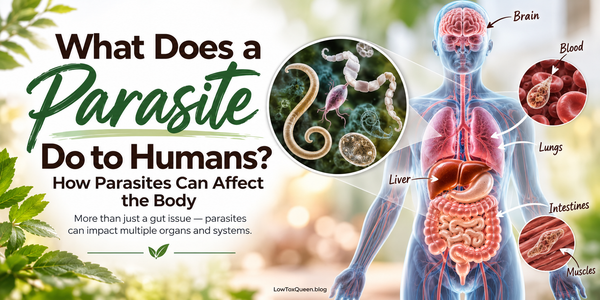
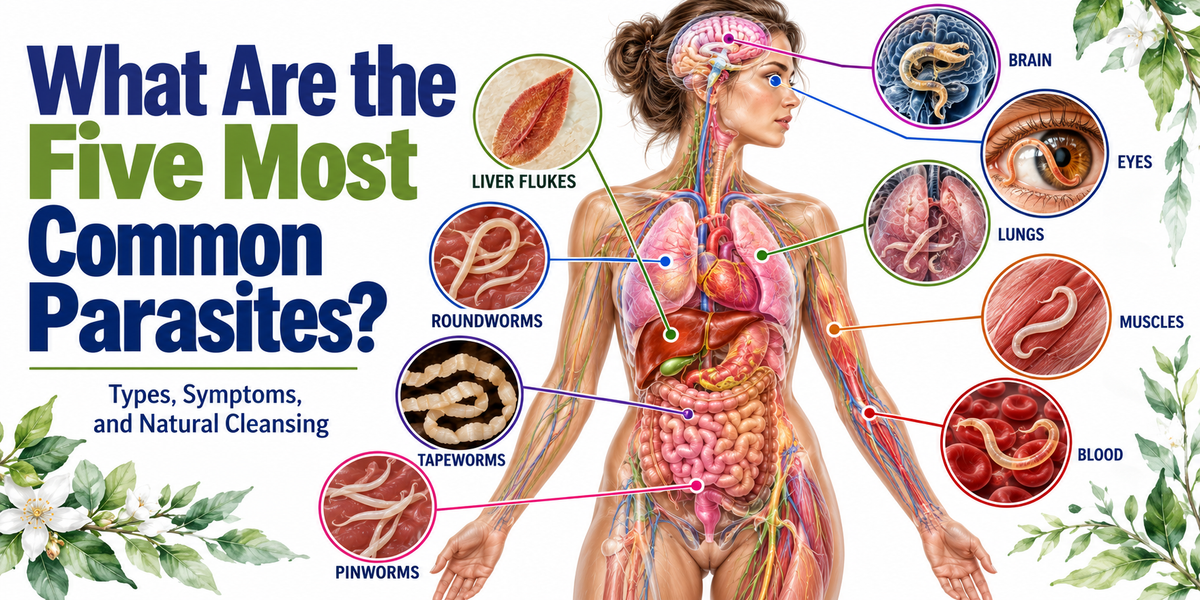
Parasites range from microscopic organisms to intestinal worms that can grow several feet long. Some affect digestion, while others can involve the liver, lungs, blood, muscles, or even the brain.
Understanding the different types of parasites, their symptoms, and how they spread is an important part of taking a proactive approach to wellness.
Table of Contents
- What Are the Five Most Common Parasites?
- Liver Flukes: Parasites That Affect the Liver and Bile Ducts
- Pinworms: Small Worms That Spread Easily
- Roundworms: Parasites That Can Migrate
- Hookworms: Parasites That Feed on Blood
- Tapeworms: Parasites That Can Grow for Years
- Parasites, Heavy Metals, and Biofilm
- My Approach to Parasite Cleansing
- Frequently Asked Questions
- Final Thoughts
What Are the Five Most Common Parasites?
There isn't one universal ranking of the five most common parasites. Prevalence varies by country, climate, sanitation, and exposure.
However, five important types of human parasites to understand are:
| Parasite | Potential Effects |
|---|---|
| Liver flukes | Liver inflammation, bile duct problems, digestive issues |
| Pinworms | Nighttime anal itching, disturbed sleep |
| Roundworms | Digestive symptoms, lung migration |
| Hookworms | Blood loss, iron deficiency, anemia |
| Tapeworms | Digestive problems, nutritional effects, tissue complications |
These are all parasitic worms, also called helminths. This list is educational rather than a worldwide prevalence ranking.
1. Liver Flukes: Parasites That Affect the Liver and Bile Ducts
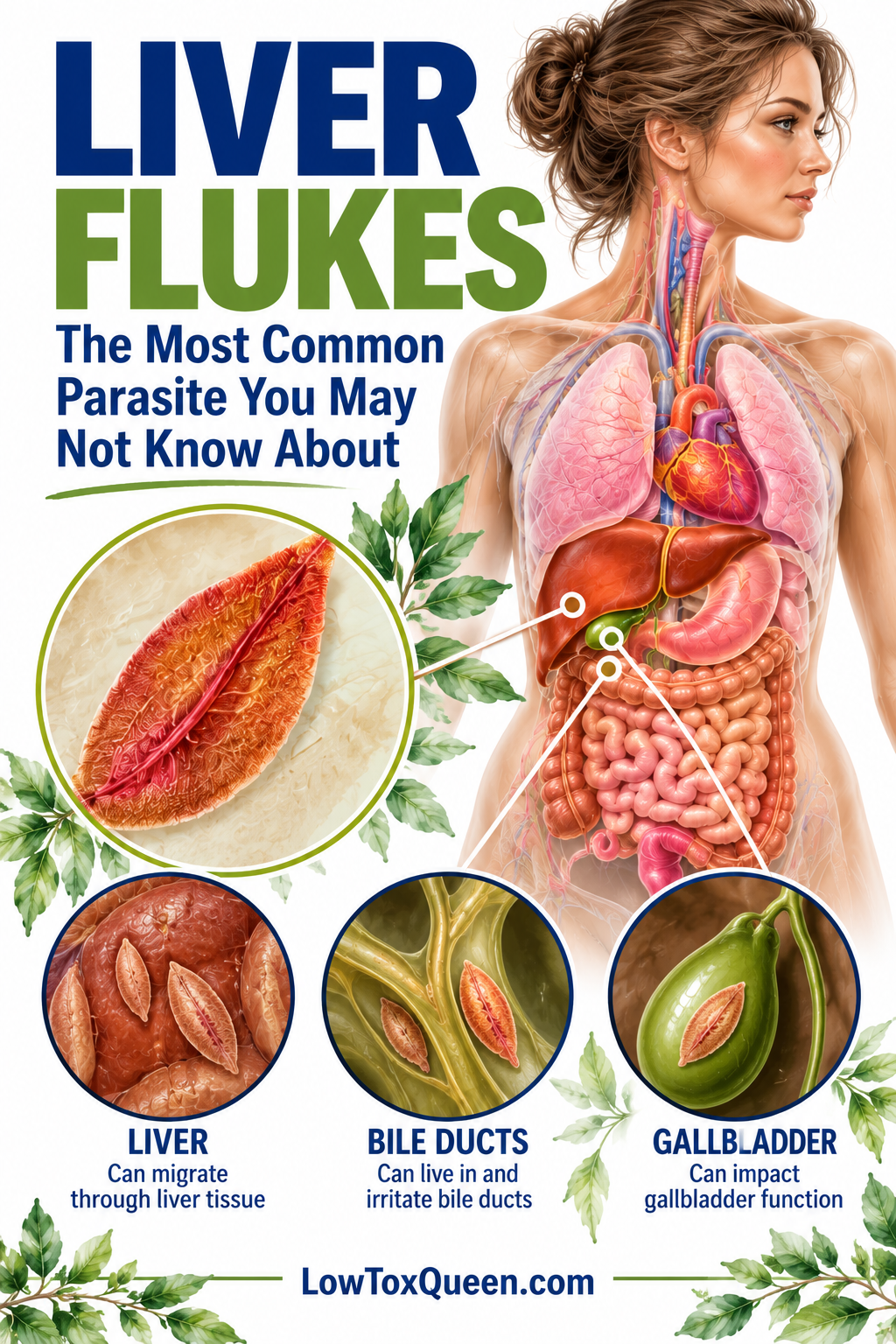
Liver flukes are flat, leaf-shaped parasitic worms that can infect the liver and bile ducts.
Common species include Fasciola hepatica, Clonorchis sinensis, and Opisthorchis species.
Depending on the species, infections can occur through contaminated freshwater plants or raw and undercooked freshwater fish.
Certain liver flukes migrate through liver tissue, while others establish themselves in the bile ducts.
Possible symptoms include abdominal discomfort, nausea, fatigue, liver inflammation, and impaired bile flow.
Long-standing infections can contribute to bile duct obstruction and serious complications. Certain species are also associated with an increased risk of bile duct cancer.
Some people experience few noticeable symptoms, making infections difficult to recognize without testing.
2. Pinworms: Small Worms That Spread Easily
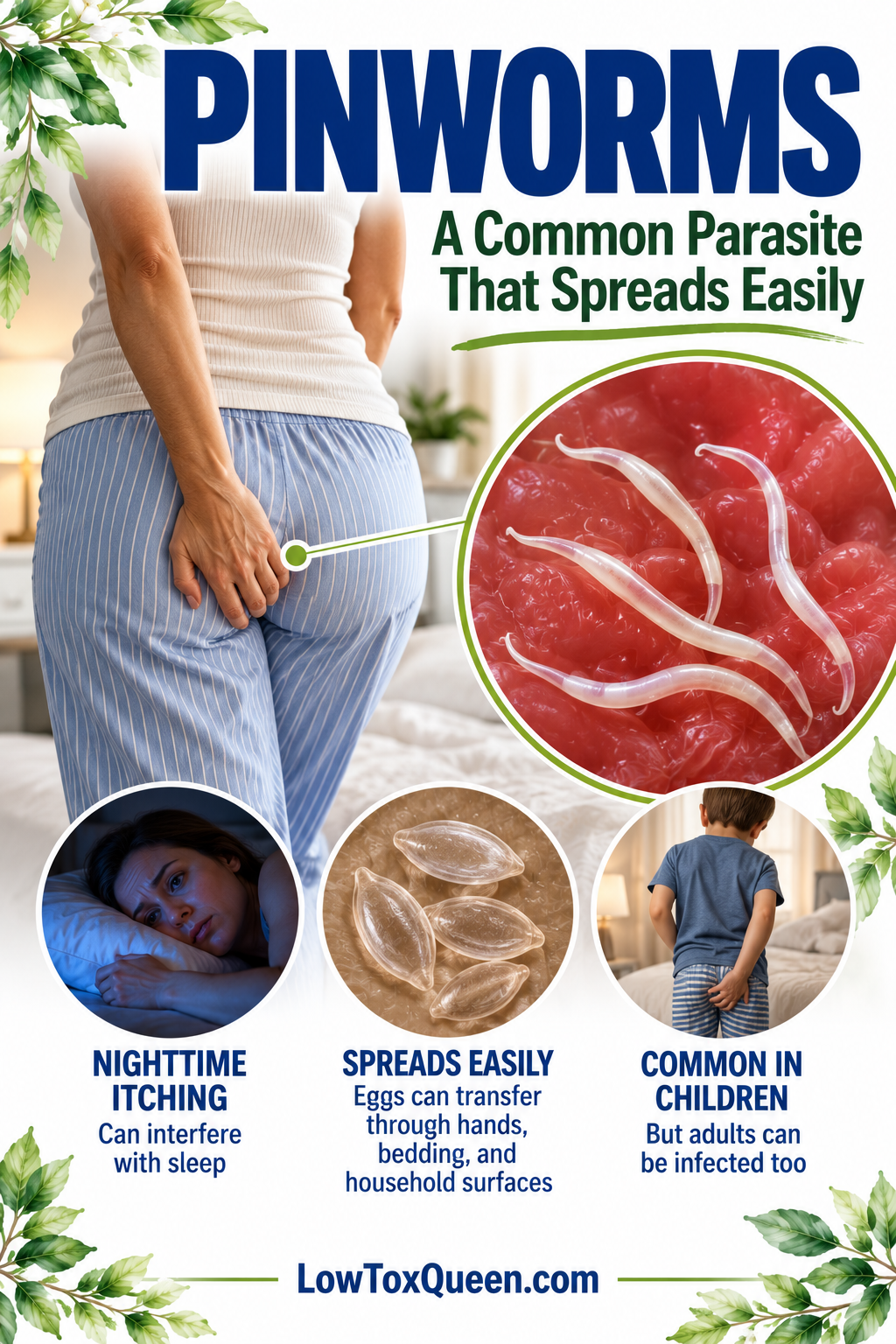
Pinworms (Enterobius vermicularis) are small, white intestinal worms commonly found in children, although adults can be infected, too.
Female pinworms travel to the skin surrounding the anus, usually at night, to lay eggs. This often causes itching and disturbed sleep.
Eggs spread through contaminated hands, bedding, clothing, and household surfaces.
Reinfection is common because eggs can transfer from surfaces to fingers and eventually to the mouth.
Some infected individuals experience no noticeable symptoms.
3. Roundworms: Parasites That Can Migrate
Roundworms, particularly Ascaris lumbricoides, can grow surprisingly large.
Infection occurs when microscopic eggs are swallowed through contaminated food, water, or soil.
After hatching, larvae migrate through the body, including the lungs, before developing into adult worms in the intestines.
Symptoms may include abdominal discomfort, nausea, coughing, and nutritional problems.
Heavy infections can occasionally cause intestinal obstruction, particularly in children.
4. Hookworms: Parasites That Feed on Blood
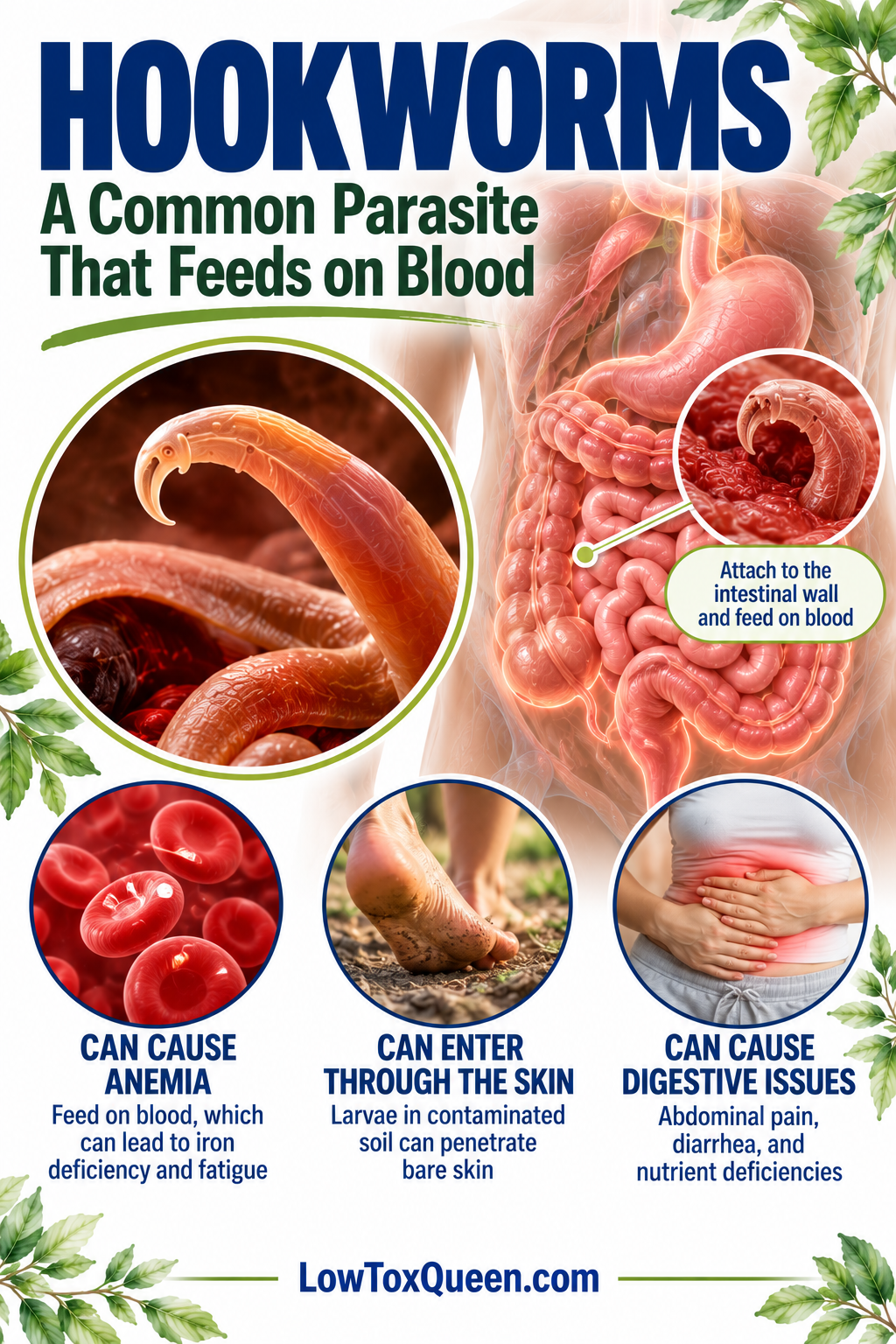
Hookworms attach to the intestinal lining and feed on blood.
Their larvae can enter through the skin, often following contact with contaminated soil.
Once established in the intestines, hookworms can contribute to ongoing blood loss.
Symptoms may include fatigue, weakness, abdominal discomfort, and iron-deficiency anemia.
This connection between parasites and nutritional deficiencies is one reason unexplained anemia deserves investigation.
5. Tapeworms: Parasites That Can Grow for Years
Tapeworms are flat, segmented worms that can live in the human intestinal tract.
Certain species are acquired through eating raw or undercooked infected meat or fish.
Some tapeworms grow several feet long and survive for years without treatment.
Symptoms may include digestive discomfort, appetite changes, or passing tapeworm segments in stool.
Certain infections can also affect other organs. Swallowing Taenia solium eggs, for example, can lead to larval cysts in tissues, including the brain.
Parasites, Heavy Metals, and Biofilm
Parasites are also connected to two of my main wellness interests: heavy metals and biofilm.
Scientific research has demonstrated that certain parasites can accumulate heavy metals within their tissues. Researchers have investigated this ability to measure environmental contamination.
Biofilms are organized microbial communities surrounded by a protective matrix. (See my interview with Dr. Steven Zodkoy on biofilms.)
Research has documented interactions between certain protozoan parasites and bacterial biofilms, including how these environments may influence parasite persistence.
These findings highlight the complex relationship between parasites, microorganisms, and environmental exposures.
My Approach to Parasite Cleansing
I personally incorporate a parasite cleanse a couple times per year.
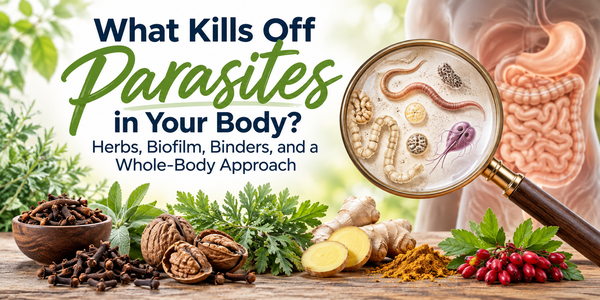
The concentrated herbal blend I use contains clove, black walnut hull, wormwood, ginger extract, and barberry root.
These botanicals have histories of traditional use, and several have been investigated for anti-parasitic activity.
I also use zeolite as a binder during my detox routine and pay attention to biofilm as part of my broader wellness practices.
To support normal detox and elimination pathways, I prioritize filtered water, regular bowel movements, movement, lymphatic massage, adequate sleep, and sauna or detox baths when appropriate.
When a parasitic infection is suspected, identifying the organism is important because effective treatments differ by species.
If you'd like to learn more about the heavy metal detox protocol I personally follow, including the products I use to support detoxification and mineral replenishment, visit LowToxQueen.com for my free guide.
Frequently Asked Questions
What Are the Most Common Parasite Symptoms in Humans?
Symptoms may include but are not limited to bloating, diarrhea, abdominal pain, nausea, fatigue, weight changes, nighttime waking, nighttime itching, teeth clenching, and nutritional deficiencies.
Can You Have Parasites Without Knowing It?
Yes. Some parasitic infections cause mild symptoms or remain asymptomatic.
Can Liver Flukes Affect Your Gallbladder?
Yes. Liver flukes inhabit the bile ducts and can interfere with bile flow, potentially affecting the gallbladder and surrounding digestive system.
How Do You Test for Parasites?
Stool testing is frustratingly inconsistent, particularly with a singular test. Multiple stool samples may improve detection. Other options include molecular tests, the adhesive tape test for pinworms, blood tests, or imaging for certain tissue infections.
Should You Do a Parasite Cleanse Twice a Year?
I personally cleanse twice yearly as part of my wellness routine. This is my individual practice rather than an established medical recommendation. Suspected infections require appropriate testing and treatment.
Final Thoughts
So, what are the five most common parasites?
Liver flukes, pinworms, roundworms, hookworms, and tapeworms are five important types to understand, although they aren't necessarily the most prevalent worldwide.
They can affect digestion, nutrient absorption, blood health, the liver, and other organs.
Understanding parasites is part of my broader commitment to learning about environmental exposures, heavy metals, biofilm, and whole-body wellness.
Disclaimer
This article is for educational purposes only and is not medical advice. Herbal products and supplements may cause side effects or interact with medications. Suspected parasitic infections require appropriate medical evaluation and treatment. Consult a qualified healthcare professional before beginning supplements, especially during pregnancy, breastfeeding, childhood, or when managing a medical condition.
Affiliate Disclosure
Some of the links on this website are affiliate links, which means I may earn a small commission if you choose to make a purchase through them, at no additional cost to you. I only recommend products and resources that I personally use, trust, or believe may be beneficial to my readers. Your support helps me continue creating free educational content. Thank you!