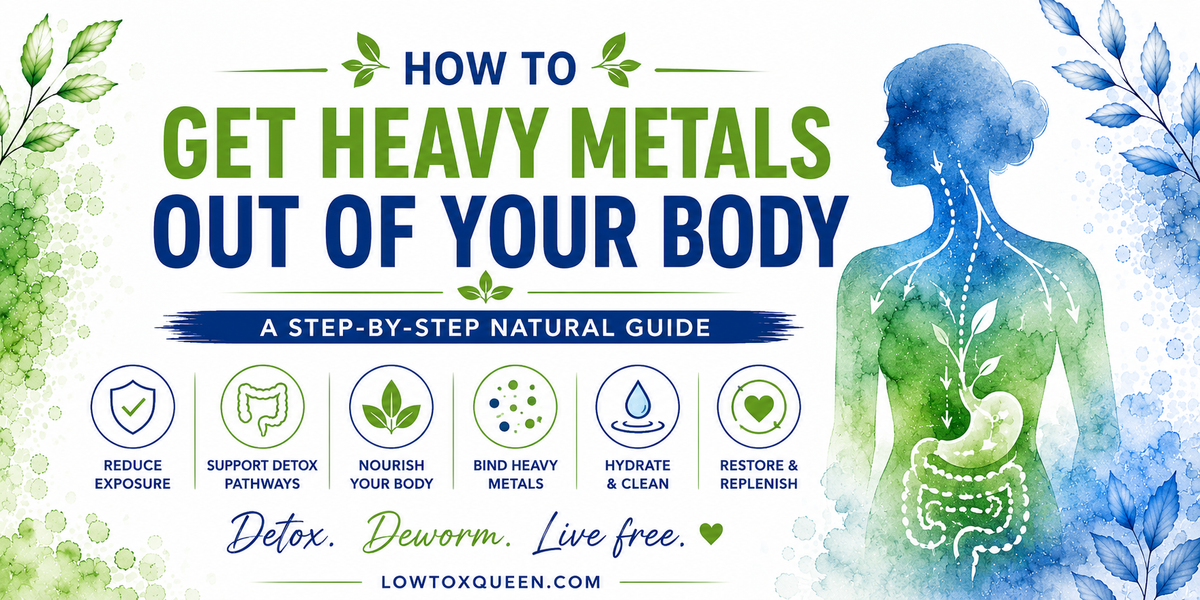
How to Get Heavy Metals Out of Your Body: A Step-by-Step Guide
Wondering how to get heavy metals out of your body? Learn how to reduce exposure, support detox pathways, keep your bowels and lymph moving, nourish your body, maintain mineral levels, and use targeted support like zeolite as part of a practical heavy metal detox routine.
Heavy metals are naturally present in our environment, but everyday exposure can also come from drinking water, certain foods, air pollution, household products, occupational environments, and other sources. Metals such as lead, mercury, arsenic, and cadmium can be harmful at sufficient levels of exposure.
If you've been searching for how to get heavy metals out of your body, it's important to understand that detoxification isn't simply about taking a product and hoping it removes everything. A smart approach starts with reducing ongoing exposure, supporting the body's normal elimination processes, maintaining good nutrition and mineral status, and determining whether medical testing or treatment is appropriate when significant exposure is suspected.
This guide walks through practical ways to approach a heavy metal detox while supporting your body along the way.
Table of Contents
- Who Is This Article For?
- How Do Heavy Metals Get Into the Body?
- Can Your Body Get Rid of Heavy Metals?
- How to Get Heavy Metals Out of Your Body
- Foods That Support Heavy Metal Detoxification
- Natural Heavy Metal Detox Support
- When Heavy Metal Testing May Be Appropriate
- Frequently Asked Questions
- Final Thoughts
Who Is This Article For?
This article is for anyone who wants to reduce everyday exposure to toxic heavy metals and learn how to support the body's normal detoxification and elimination systems.
It may be especially helpful if you're researching heavy metals in the body, wondering about potential sources of exposure, or looking for practical ways to create a lower-tox lifestyle.
Symptoms such as fatigue, headaches, brain fog, digestive changes, or difficulty concentrating have many possible causes and cannot diagnose heavy metal toxicity. If you're concerned about a significant exposure, testing through a qualified healthcare professional is a much better starting point than assuming heavy metals are responsible.
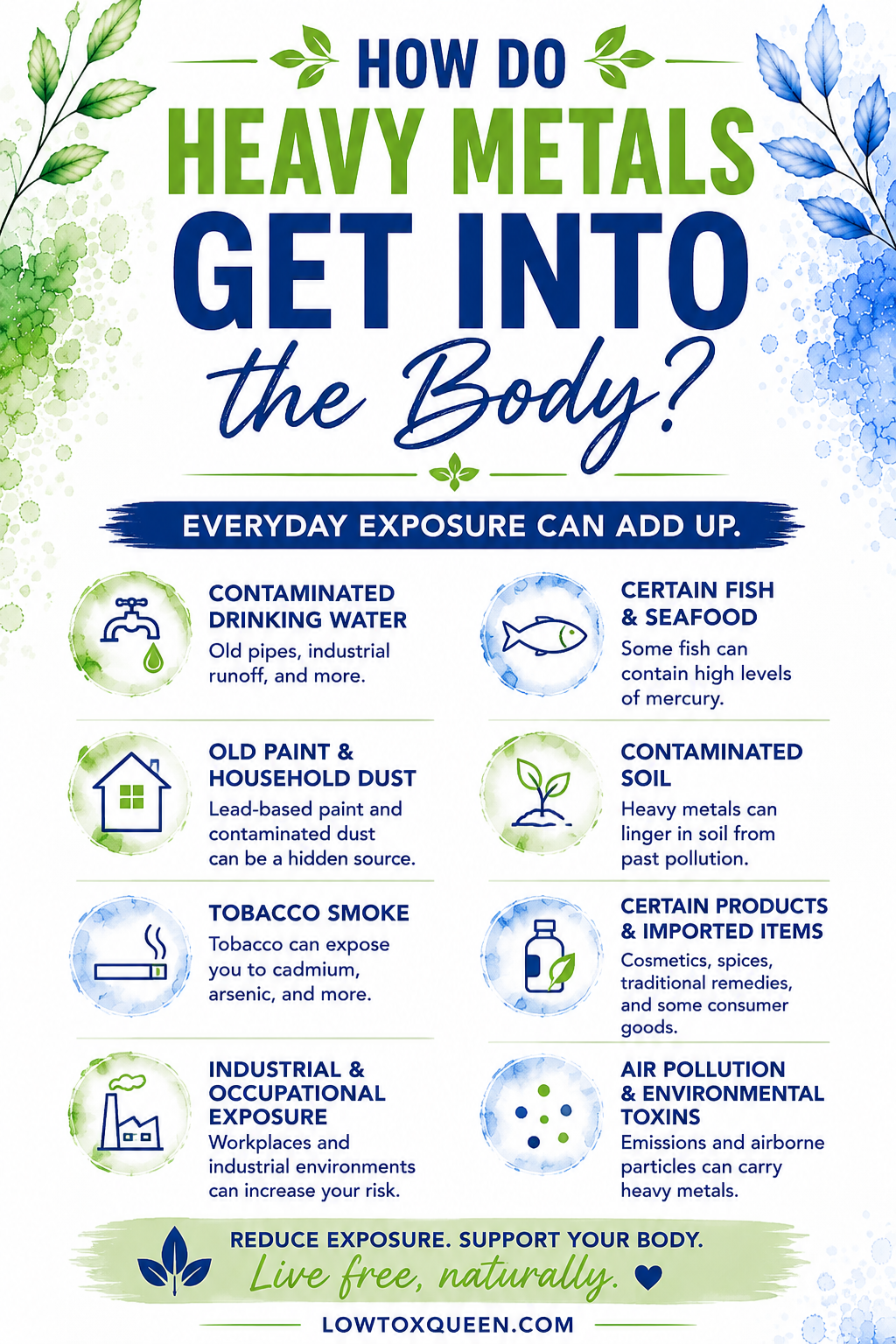
How Do Heavy Metals Get Into the Body?
Heavy metals can enter the body through ingestion, inhalation, and certain occupational or environmental exposures.
Potential sources can include:
- Contaminated drinking water
- Certain fish and seafood
- Old lead-based paint and household dust
- Contaminated soil
- Tobacco smoke
- Some imported foods, cosmetics, spices, or traditional remedies
- Industrial and occupational environments
- Certain consumer products
One of the most overlooked parts of detoxing heavy metals is identifying the source. If exposure continues every day, trying to remove metals without addressing where they're coming from may undermine your efforts.
Can Your Body Get Rid of Heavy Metals?
Your body continuously processes and eliminates many substances through the liver, kidneys, gastrointestinal tract, and other systems. However, different metals behave differently in the body, and some can accumulate with repeated or significant exposure.
This is why there isn't one universal heavy metal cleanse that works the same way for every metal or every person.
If laboratory testing confirms clinically significant heavy metal poisoning, medical treatment may sometimes be necessary. Chelation therapy, for example, is a medical treatment used for certain heavy-metal poisonings and should only be performed under appropriate medical supervision.
For everyday wellness, the emphasis is different: reduce exposure and support the body's normal elimination processes.
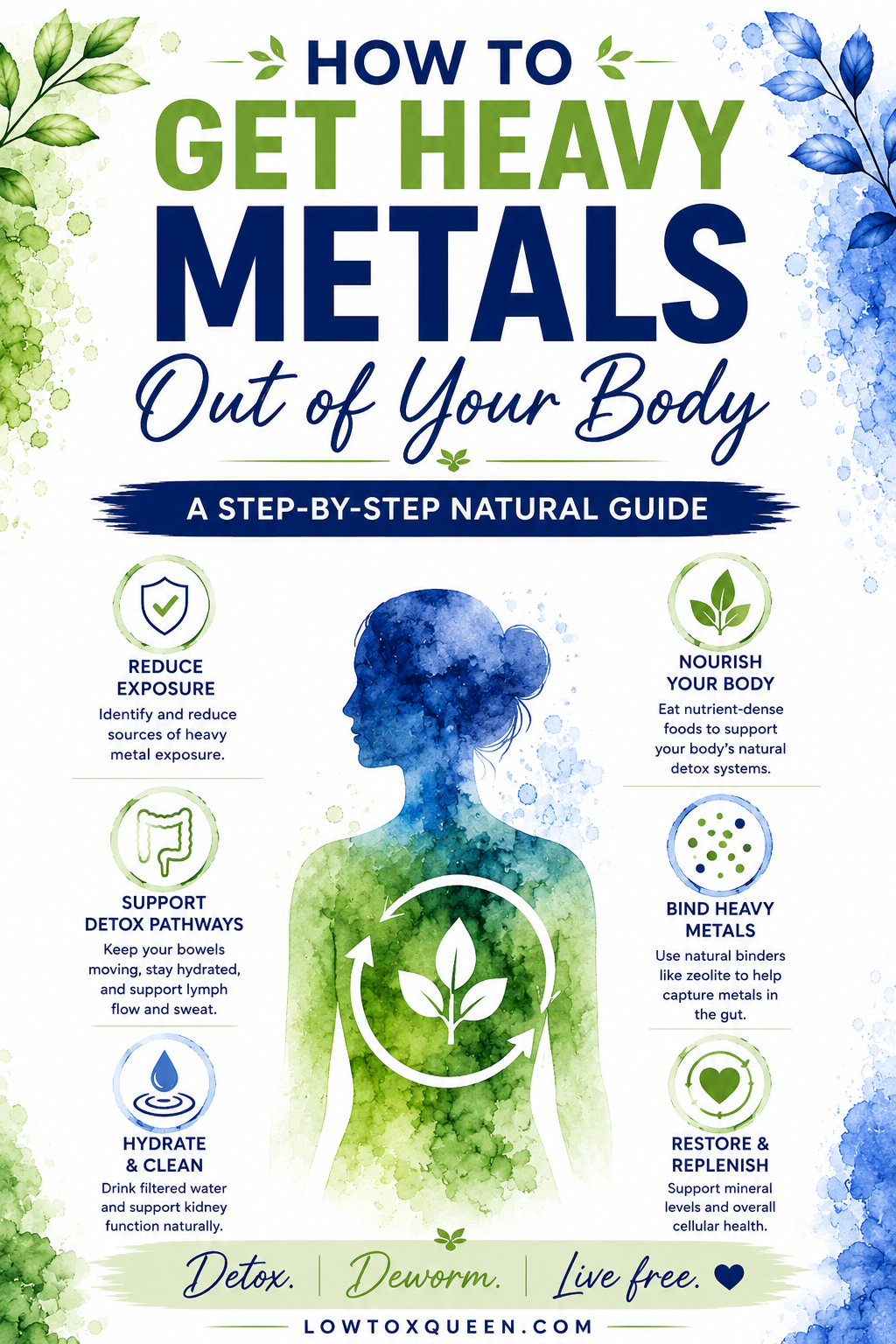
How to Get Heavy Metals Out of Your Body
Step 1: Reduce Your Ongoing Heavy Metal Exposure
Before thinking about a metal detox cleanse, look at what's continuing to enter your body.
Start with your water, food, home, workplace, and frequently used products. If you're concerned about drinking water, consider having it tested and choosing a filter certified for the specific contaminants you're trying to reduce.
Reducing exposure is one of the most important steps because it prevents you from continually adding to your toxic burden.
Step 2: Support Your Detox Pathways
Before beginning a heavy metal detox, make sure your body's natural elimination pathways are working well. As the body processes unwanted substances, it needs effective ways to move waste out through the digestive and urinary systems.
Prioritize Regular Bowel Movements
Regular bowel movements are especially important during a detox. The liver processes substances and releases some waste products into bile, which travels into the digestive tract. Stool is one route through which the body eliminates those compounds.
If you're constipated, material remains in the intestinal tract longer. Rather than trying to aggressively detox while your bowels aren't moving regularly, address constipation and support healthy digestion first.
Helpful habits include:
- Drinking plenty of filtered water
- Eating adequate fiber from vegetables, berries, chia seeds, flax seeds, and other whole foods
- Getting enough dietary magnesium and other essential minerals
- Moving your body every day
- Eating enough food to support normal digestive function
- Establishing a consistent bathroom routine rather than ignoring the urge to go
For many people, having a comfortable bowel movement most days is a reasonable sign of regularity, although normal frequency varies from person to person. Persistent constipation, diarrhea, pain, or a major change in bowel habits should be discussed with a healthcare professional.
Keep Your Lymph Moving
Your lymphatic system helps maintain fluid balance and transports immune cells and cellular waste. Unlike your cardiovascular system, it doesn't have a heart-like pump continuously circulating lymph. Muscle movement and breathing help move lymphatic fluid.
Simple ways to encourage normal lymphatic flow include walking, stretching, rebounding, gentle exercise, and deep diaphragmatic breathing.
Lymphatic massage can also be incorporated into a wellness routine. Manual lymphatic drainage uses very light, gentle movements designed to encourage lymphatic fluid toward functioning lymph nodes. This isn't the same as deep-tissue massage, and more pressure isn't necessarily better.
People with certain medical conditions should check with their healthcare provider before trying lymphatic drainage massage.
Hydrate With Clean, Filtered Water
Adequate hydration supports normal kidney function and helps keep bowel movements regular. During a detox, make filtered water your primary source of hydration rather than relying heavily on sugary or highly processed drinks.
Move and Sweat
Daily movement supports circulation, lymphatic flow, digestion, and overall metabolic health. Sweating through exercise or sauna may also be incorporated into a wellness routine when appropriate.
You don't have to make this complicated. Walking, strength training, stretching, rebounding, or any activity you enjoy can help keep your body moving.
Don't Forget Sleep
Sleep is another foundational part of the process. Your body carries out important metabolic, repair, and waste-clearance functions while you sleep, so consistently sacrificing sleep while attempting an aggressive detox is counterproductive.
The goal is to have the basics in place before and throughout your heavy metal detox: filtered water, regular bowel movements, daily movement, healthy lymphatic flow, adequate sleep, and, when appropriate, practices such as sauna, detox baths, or lymphatic massage.
Once those foundations are established, targeted heavy metal support can be layered into the routine.
Step 3: Support Your Mineral Status
Mineral support doesn't need to wait until you've finished detoxing.
Minerals are important for normal cellular and metabolic functions, so maintaining adequate nutrition before and alongside a heavy metal detox makes sense.
Some people incorporate fulvic minerals as a source of trace minerals alongside a nutrient-dense diet. If you use a mineral supplement, quality and independent testing for contaminants are especially important.
Step 4: Bind Heavy Metals With Zeolite
Zeolite is a natural mineral that has attracted attention for its adsorptive properties. Certain purified forms have demonstrated an ability to bind some metals under laboratory or gastrointestinal conditions.
For this reason, some people incorporate a high-quality purified zeolite product into a heavy metal detox cleanse.
It's important to distinguish this from medical chelation. Evidence that an oral zeolite binds substances in the gastrointestinal tract does not establish that it can remove clinically significant amounts of metals stored throughout the body's tissues. Product purity also matters because poorly sourced mineral products can themselves contain contaminants.
Step 5: Use Clean, Filtered Water
Water serves two purposes in a lower-tox lifestyle: hydration supports normal kidney function, while proper filtration can help reduce additional exposure.
An NSF-certified water filter can be selected according to the contaminants present in your water. Certification matters because not every filter removes every contaminant.
Some people also use a water ionizer to produce hydrogen-rich water. Molecular hydrogen (H₂) is being studied for its antioxidant effects and potential role in oxidative-stress regulation. Hydrogen-rich water should be viewed as complementary wellness support rather than a method proven to remove heavy metals from the body.
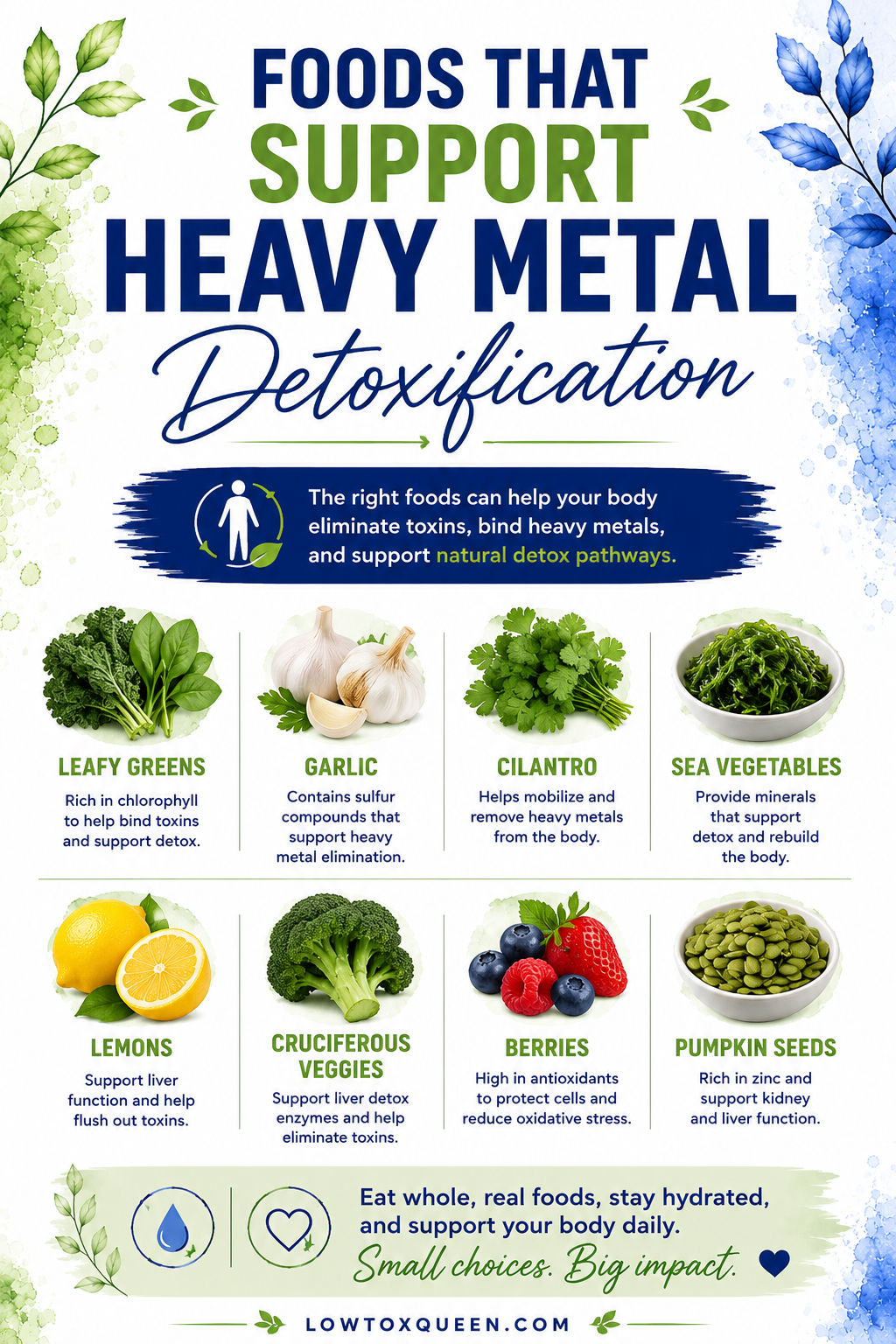
Foods That Support Heavy Metal Detoxification
Food provides nutrients your body needs for normal liver function, antioxidant defenses, digestion, and elimination.
Build meals around foods such as:
- Broccoli and other cruciferous vegetables
- Leafy greens
- Garlic and onions
- Berries
- Citrus fruits
- Beets
- Eggs and other quality protein sources
- Chia and flax seeds
- Other fiber-rich whole foods
Adequate protein is particularly important because the body requires amino acids for many metabolic and detoxification processes.
Rather than looking for one miracle food to detox heavy metals, think about nutrition as the foundation that keeps your body's systems working properly.
Natural Heavy Metal Detox Support
A natural approach to reducing toxic burden may combine several strategies rather than relying on one supplement.
Common options people incorporate include zeolite, fulvic minerals, fiber-rich foods, antioxidant-rich foods, an NSF-certified water filter, and hydrogen-rich water from a water ionizer.
The key is knowing what each tool actually does. Filtered water can reduce exposure to specific contaminants. Fiber supports bowel regularity. Nutrient-dense foods provide antioxidants and essential nutrients. Mineral support helps maintain nutritional status. Zeolite is used as a gastrointestinal binder.
These tools have different roles and shouldn't all be described as directly removing stored heavy metals.
When Heavy Metal Testing May Be Appropriate
If you believe you've had a significant exposure or are experiencing concerning symptoms, talk with a healthcare professional about appropriate testing.
Testing is especially important when there's a known source, such as occupational exposure, contaminated water, lead paint, or another documented environmental exposure.
It can help identify which metal is involved and how much exposure has occurred, which is far more useful than choosing a detox protocol based on symptoms alone.
Frequently Asked Questions
What is the fastest way to get heavy metals out of your body?
There isn't a safe universal shortcut. The appropriate approach depends on the metal, exposure level, and individual. Significant poisoning may require medical treatment, while lower-tox living focuses on reducing exposure and supporting normal elimination.
Can food remove heavy metals from your body?
No single food has been proven to remove all accumulated heavy metals. A nutrient-dense diet can provide fiber, antioxidants, minerals, and other nutrients that support normal detoxification and elimination.
Does zeolite remove heavy metals?
Certain forms of zeolite can bind some metals, particularly within the gastrointestinal environment. Evidence for removing clinically significant amounts of metals already stored throughout human tissues is much more limited.
How long does a heavy metal detox take?
There is no standard timeline. It depends on the metal, amount and duration of exposure, whether exposure is continuing, and whether medical treatment is necessary.
How can I reduce my heavy metal exposure?
Start with potential sources such as drinking water, contaminated foods or supplements, occupational exposures, old lead paint, household dust, and other environmental sources. Reducing exposure should come before trying to "detox" it away.
Final Thoughts
If you're trying to figure out how to get heavy metals out of your body, start with the fundamentals: identify and reduce exposure, drink clean filtered water, maintain regular bowel movements, support lymphatic flow, eat nutrient-dense foods, move your body, and maintain healthy mineral status.
Targeted products such as zeolite and fulvic minerals can be incorporated thoughtfully, while an NSF-certified water filter can help reduce specific contaminants before they ever enter your body. Hydrogen-rich water may provide additional antioxidant support, although it shouldn't be confused with a proven heavy-metal removal treatment.
And when significant heavy metal exposure is suspected, testing matters. Knowing what you're actually dealing with allows you and your healthcare provider to determine whether lifestyle support is sufficient or medical treatment is needed.
If you'd like to learn more about the simple detox protocol I personally follow, visit LowToxQueen.com for my free step-by-step detox and deworming guide.
Disclaimer
This article is for educational purposes only and is not intended to diagnose, treat, cure, or prevent any disease or heavy metal poisoning. Heavy metal toxicity can be serious and may require medical testing and treatment. Consult a qualified healthcare professional if you suspect significant exposure, before beginning a detox or supplement protocol, or if you are pregnant, breastfeeding, taking medications, or managing a medical condition.
Affiliate Disclosure
Some links on this website may be affiliate links. If you purchase through one of these links, I may earn a small commission at no additional cost to you. I only recommend products and resources that I personally use, trust, or believe may benefit my readers.