What Does a Parasite Do to Humans? How Parasites Can Affect the Body
What does a parasite do to humans? Learn how parasites can affect digestion, nutrients, blood, the brain, liver, lungs, muscles, and immune system. Explore parasite symptoms, the connection to heavy metals and biofilm, and my whole-body approach to parasite cleansing.
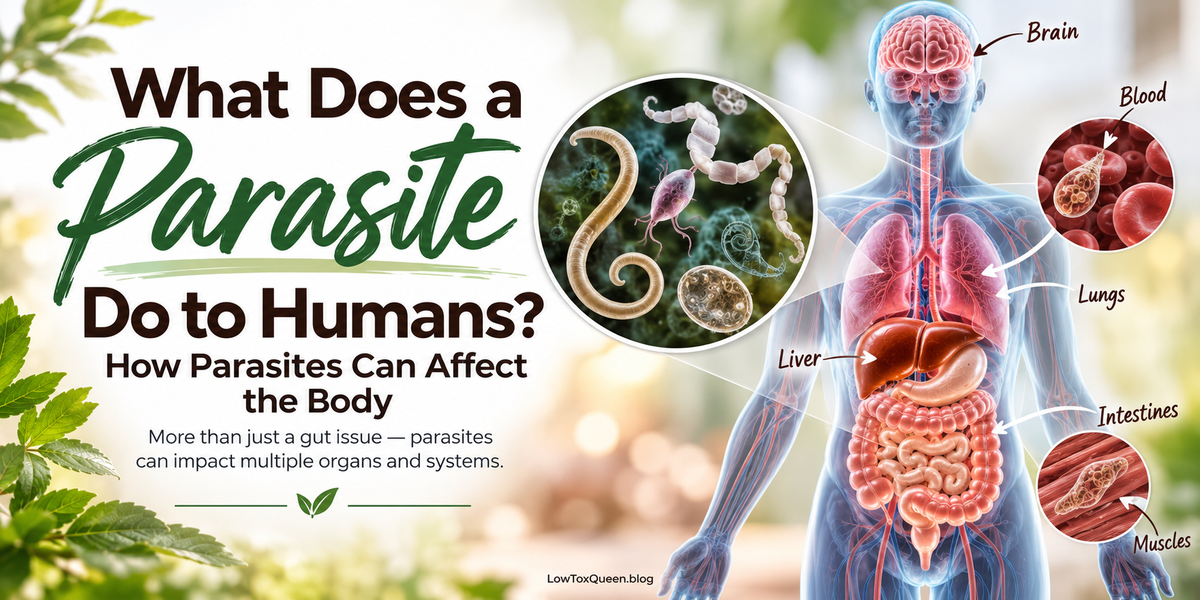
When most people hear the word parasite, they picture an intestinal worm. But parasites are much more diverse. They include worms such as roundworms, hookworms, tapeworms, and flukes, along with microscopic protozoa.
So, what does a parasite do to humans?
A parasite survives by living in or on a host and obtaining resources from that host. Depending on the organism and where it lives, a parasitic infection can affect digestion, nutrient status, blood, tissues, organs, the brain, and the immune response.
Some infections cause noticeable symptoms, while others may remain relatively quiet for extended periods. Understanding what parasites can do inside the body helps explain why symptoms aren't always limited to digestive problems.
Table of Contents
- What Does a Parasite Do to Humans?
- Parasites Can Compete for Nutrients
- Parasites Can Affect Digestion and the Gut
- Some Parasites Feed on Blood
- Parasites Can Affect the Brain and Other Organs
- Parasites Interact With Your Immune System
- The Parasite, Heavy Metal, and Biofilm Connection
- What Can You Do About Parasites?
- Frequently Asked Questions
- Final Thoughts
What Does a Parasite Do to Humans?
A parasite depends on another organism for survival. Once inside the human body, what happens depends heavily on the species.
Some remain primarily in the intestinal tract. Others can migrate through tissues or have life stages involving the liver, lungs, blood, muscles, brain, and other organs.
The effects also vary. One person may experience diarrhea or abdominal pain, while another may develop anemia, nutritional deficiencies, inflammation, or symptoms related to the particular organ affected.
Parasites Can Compete for Nutrients
One important effect of parasites is their relationship with nutrition.
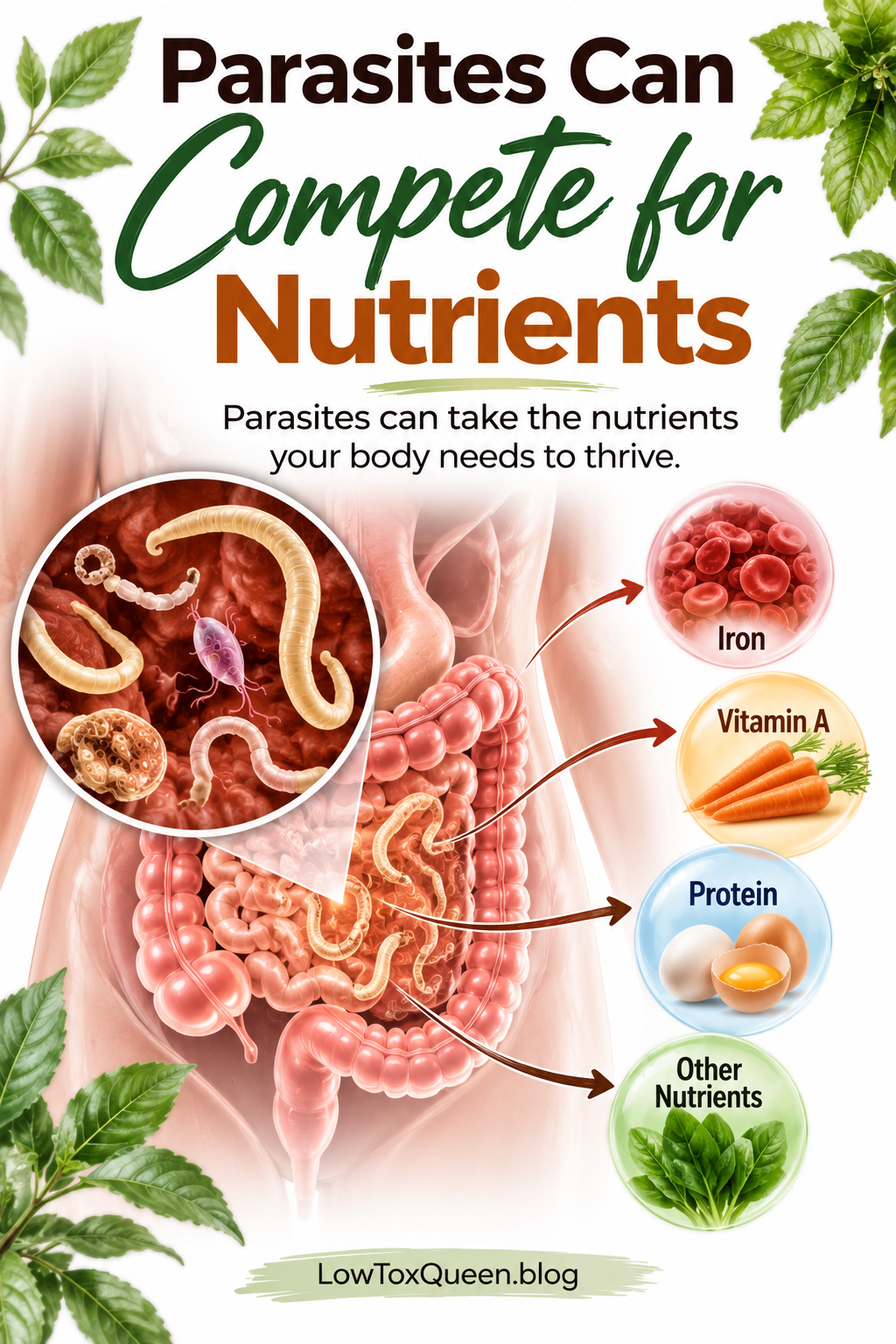
Research shows that intestinal parasites can contribute to nutritional problems through mechanisms including changes in food intake, digestion, nutrient absorption, inflammation, and nutrient loss.
Depending on the parasite, infections have been associated with deficiencies involving iron, vitamin A, protein, and other micronutrients.
This doesn't mean every nutritional deficiency is caused by parasites. But when a parasite is present, nutrition can become an important part of the bigger picture.
Parasites Can Affect Digestion and the Gut
Intestinal parasites can interfere with normal gastrointestinal function.
Certain parasitic infections can affect the intestinal lining, digestion, absorption, appetite, and intestinal motility.
Possible parasite symptoms in humans include:
- Abdominal pain or cramping
- Bloating and gas
- Diarrhea
- Nausea
- Appetite changes
- Changes in bowel movements
- Unexplained weight loss
However, symptoms aren't universal. Some people with parasitic infections may have few or no obvious digestive symptoms.
Some Parasites Feed on Blood
Certain parasites don't simply obtain nutrients from the contents of your digestive tract.
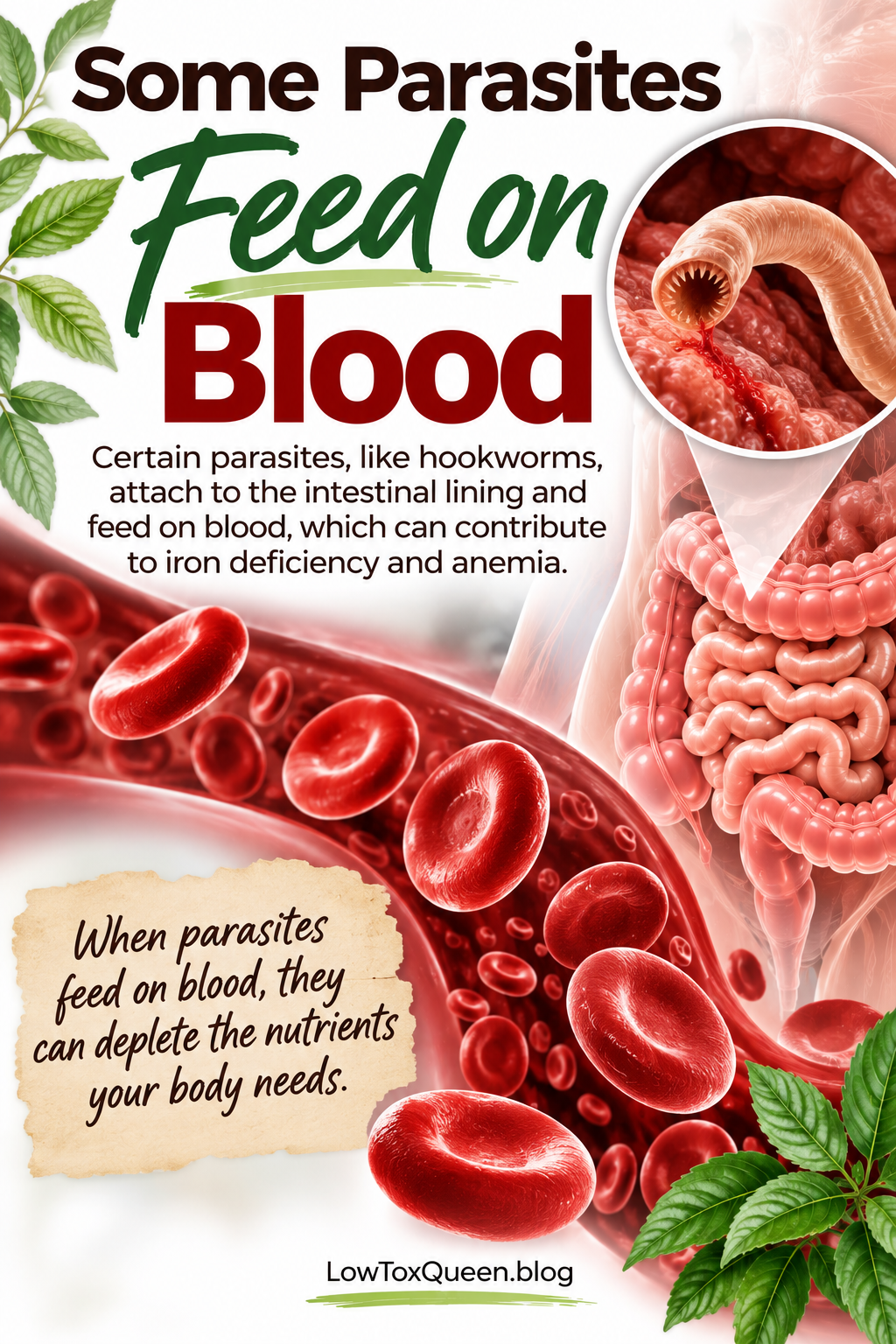
Hookworms attach to the intestinal lining and feed on blood. With a significant or prolonged infection, this can contribute to chronic intestinal blood loss, iron deficiency, and iron-deficiency anemia.
This is one reason symptoms such as fatigue and weakness can occur with some parasitic infections.
Of course, fatigue has many possible causes and shouldn't automatically be interpreted as evidence of parasites.
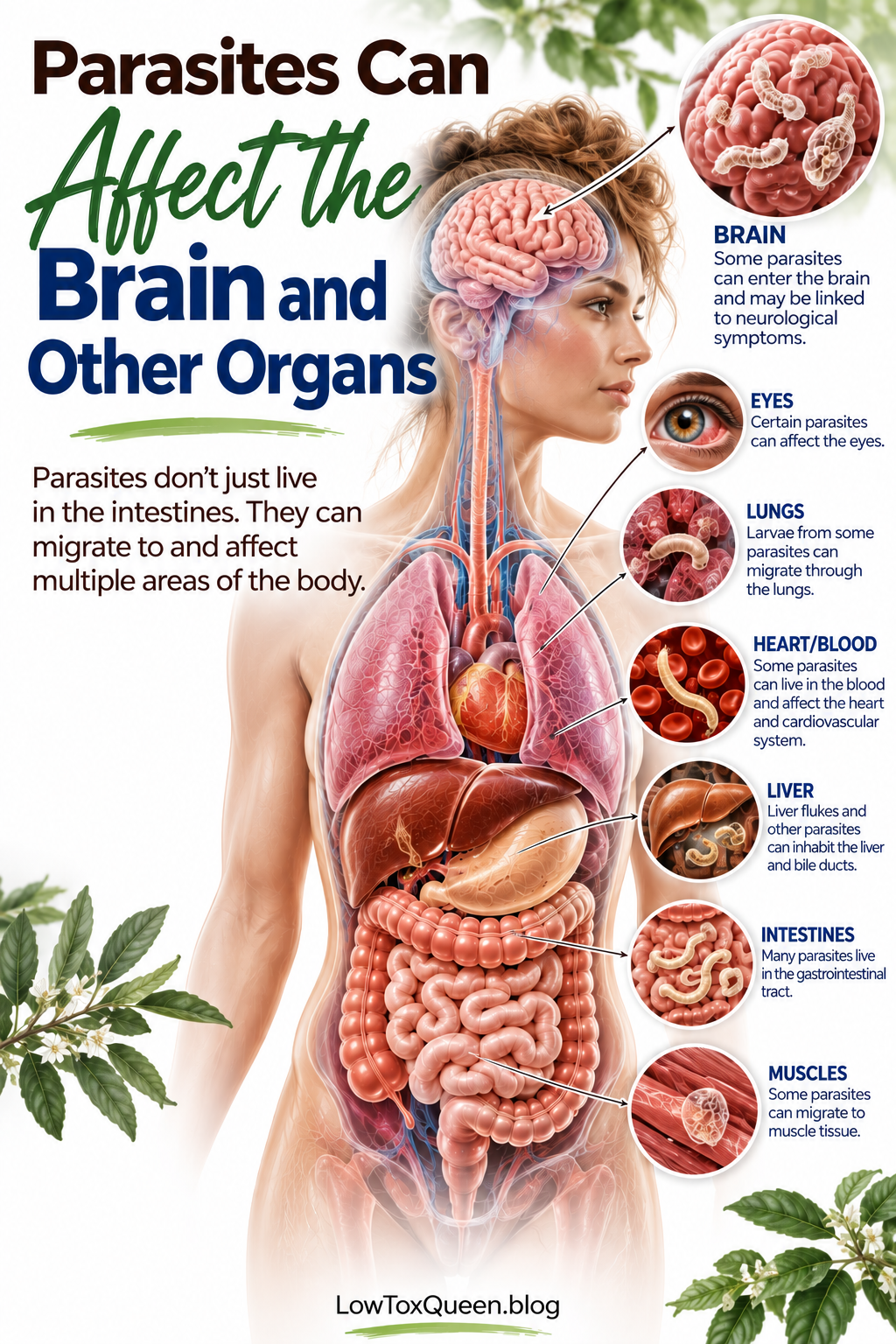
Parasites Can Affect the Brain and Other Organs
Parasites don't only live in your intestines.
Depending on the species and its life cycle, parasites can inhabit or migrate through the liver, lungs, blood, muscles, eyes, brain, and other tissues.
For example, Toxoplasma gondii can form persistent tissue cysts, including in the brain. The larval form of the pork tapeworm, Taenia solium, can also enter the central nervous system. When this occurs, the condition is known as neurocysticercosis, and it can cause neurological problems including seizures.
Other parasites have an affinity for the liver, blood, lungs, lymphatic system, or intestinal tract.
This is why what a parasite does to humans depends greatly on where the organism is located. A parasite affecting the intestine may produce very different symptoms from one affecting the liver or brain.
Parasites Interact With Your Immune System
Your immune system recognizes parasites as foreign organisms and attempts to respond to them.
But parasites and humans have interacted for a very long time, and certain parasites have developed mechanisms that can alter or regulate aspects of the host's immune response, helping them survive.
Meanwhile, mounting an immune response can contribute to inflammation and requires resources from the body.
This makes parasitic infection an ongoing biological interaction between the parasite, immune system, nutritional status, and host environment.
The Parasite, Heavy Metal, and Biofilm Connection
Two areas I find particularly interesting are heavy metals and biofilm.
Scientific research has demonstrated that certain parasites can accumulate and concentrate heavy metals within their tissues. This ability has been significant enough that researchers have investigated parasites as biological indicators of heavy-metal pollution.
Biofilm adds another piece to the conversation.
Biofilms are organized communities of microorganisms surrounded by a protective extracellular matrix. Research has also documented interactions between certain unicellular parasites and bacterial biofilms.
The intestinal environment is therefore much more complex than simply thinking about "worms in the gut."
What Can You Do About Parasites?
(This is not medical advice.) My personal approach now is preventive. I incorporate a parasite cleanse approximately twice per year as part of my wellness routine.
The concentrated herbal blend I use contains clove, black walnut hull, wormwood, ginger extract, and barberry root.
These botanicals have histories of traditional use, and compounds found in several have been investigated scientifically for anti-parasitic activity.
I also pay attention to biofilm and personally use the proteolytic enzymes serrapeptase and nattokinase as part of my broader routine.
During detoxing and deworming, I use zeolite as a binder. I consider the herbal blend and binder separate parts of my routine: the herbs are my anti-parasitic component, while zeolite serves as my heavy metal detox and binder.
I also support normal detox and elimination pathways with filtered water, regular bowel movements, movement and lymphatic massage, sauna or sweating when appropriate, detox baths, and adequate sleep.
Frequently Asked Questions
Can You Have a Parasite Without Knowing It?
Yes. Some parasitic infections produce few or no obvious symptoms. Symptoms depend on the parasite, its location, infection intensity, and the person's response.
What Are Common Symptoms of Parasites in Humans?
Possible symptoms include abdominal discomfort, bloating, diarrhea, nausea, appetite changes, weight loss, fatigue, anal itching, and nutritional deficiencies. Symptoms vary significantly between parasites.
Can Parasites Affect Your Brain?
Yes. Certain parasites can affect the brain and central nervous system. Toxoplasma gondii can form tissue cysts in the brain, while Taenia solium larvae can cause neurocysticercosis when they infect the central nervous system.
Do Parasites Only Live in Your Intestines?
No. Depending on the species, parasites can involve the intestines, liver, lungs, blood, muscles, eyes, brain, and other tissues.
Should You Do a Parasite Cleanse?
I personally take a preventive approach and cleanse approximately twice per year. Persistent or serious symptoms should still be investigated because many conditions can produce symptoms similar to those associated with parasites.
Final Thoughts
So, what does a parasite do to humans?
Depending on the organism, parasites can consume nutrients, contribute to blood or nutrient loss, disrupt digestion, damage tissues, interact with immune responses, and inhabit different organs, including the brain.
That's why I look at parasite cleansing as more than simply addressing intestinal worms. For me, it's a whole-body conversation involving parasites, nutrition, biofilm, environmental exposures, elimination, and normal detox pathways.
If you're interested in learning more about the simple deworming protocol I personally follow, visit LowToxQueen.com for my free step-by-step guide.
Disclaimer
This article is for educational purposes only and includes my personal wellness practices. It is not medical advice and is not intended to diagnose, treat, cure, or prevent parasitic infection or disease. Symptoms associated with parasites can have many other causes. Herbs and supplements can cause side effects and interact with medications. Consult a qualified healthcare professional for persistent or serious symptoms and before beginning herbs or supplements, particularly during pregnancy, breastfeeding, childhood, or when managing a medical condition.
Affiliate Disclosure
Some of the links on this website are affiliate links, which means I may earn a small commission if you choose to make a purchase through them, at no additional cost to you. I only recommend products and resources that I personally use, trust, or believe may be beneficial to my readers. Your support helps me continue creating free educational content. Thank you!