What Do You Crave When You Have a Parasite? Sugar Cravings, Hunger, and Gut Health
What do you crave when you have a parasite? Discover the connection between parasites, sugar cravings, constant hunger, and gut health. Learn how parasites may affect nutrient absorption, appetite, and the gut microbiome, plus natural ways to support digestion and overall wellness.
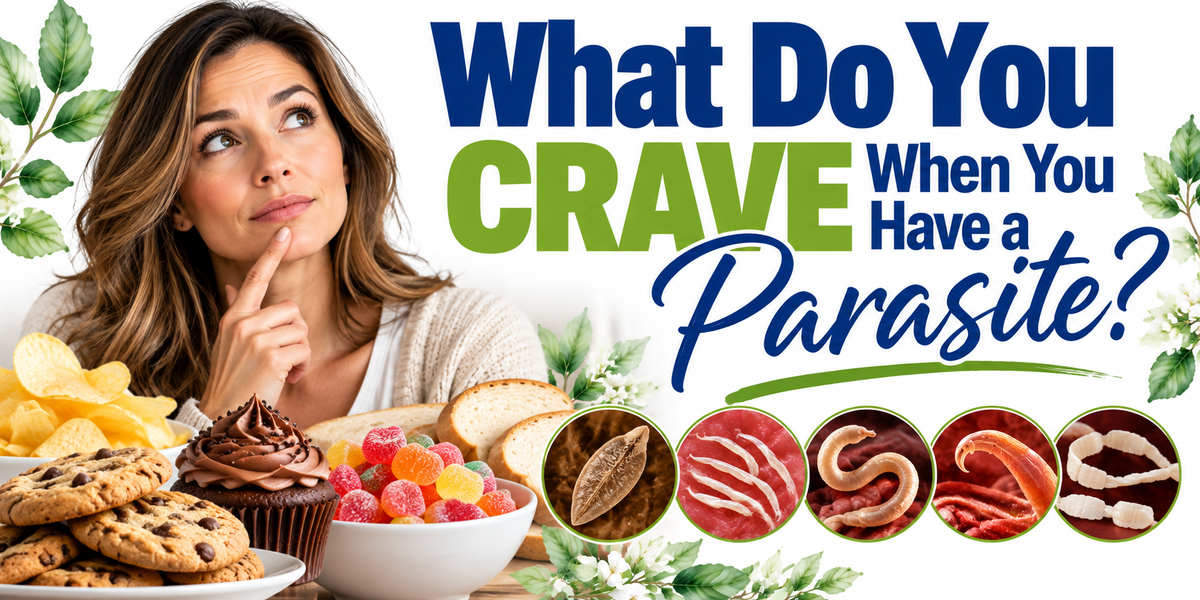
Have you ever finished a meal and immediately wanted something sweet? Or experienced intense food cravings even though you've eaten plenty?
It raises an interesting question: What do you crave when you have a parasite?
Parasites can interfere with digestion, nutrient absorption, and normal gastrointestinal function. Certain infections may also affect appetite, leaving you feeling unusually hungry or less interested in food.
But are sugar cravings, carbohydrate cravings, and constant hunger actually signs of parasites?
Let's look at the connection between parasites, food cravings, gut health, and nutritional deficiencies, along with what I personally do to support my body.
Table of Contents
- What Do You Crave When You Have a Parasite?
- Do Parasites Cause Sugar Cravings?
- Why Parasites May Affect Your Appetite
- Parasites and Nutrient Deficiencies
- The Gut Microbiome and Food Cravings
- Parasites, Heavy Metals, and Biofilm
- My Approach to Parasite Cleansing
- Frequently Asked Questions
- Final Thoughts
What Do You Crave When You Have a Parasite?
People often associate parasitic infections with three types of food cravings:
- Sugar and sweets: Chocolate, candy, desserts, and sugary drinks.
- Carbohydrates: Bread, pasta, crackers, and other starchy foods.
- Frequent meals or snacks: Feeling hungry again shortly after eating.
However, these cravings are not specific symptoms of parasite infections. There isn't convincing clinical evidence that a particular craving can identify whether someone has parasites.
What we do know is that certain parasites can interfere with digestion, nutrient absorption, and appetite regulation.
Understanding those effects helps explain why changes in eating patterns sometimes accompany parasitic illness.
Do Parasites Cause Sugar Cravings?
One popular claim is that parasites make you crave sugar because they need sugar to survive.
Some parasites do use glucose for energy. However, that doesn't establish that they can control human food cravings or make someone reach for sweets.
Sugar cravings can have many causes, including insufficient sleep, stress, irregular meals, inadequate calorie intake, and changes in blood glucose.
If you're experiencing intense sugar cravings alongside digestive problems, it's worth looking at the bigger picture rather than assuming parasites are responsible.
The combination of symptoms matters more than cravings alone.
Why Parasites May Affect Your Appetite
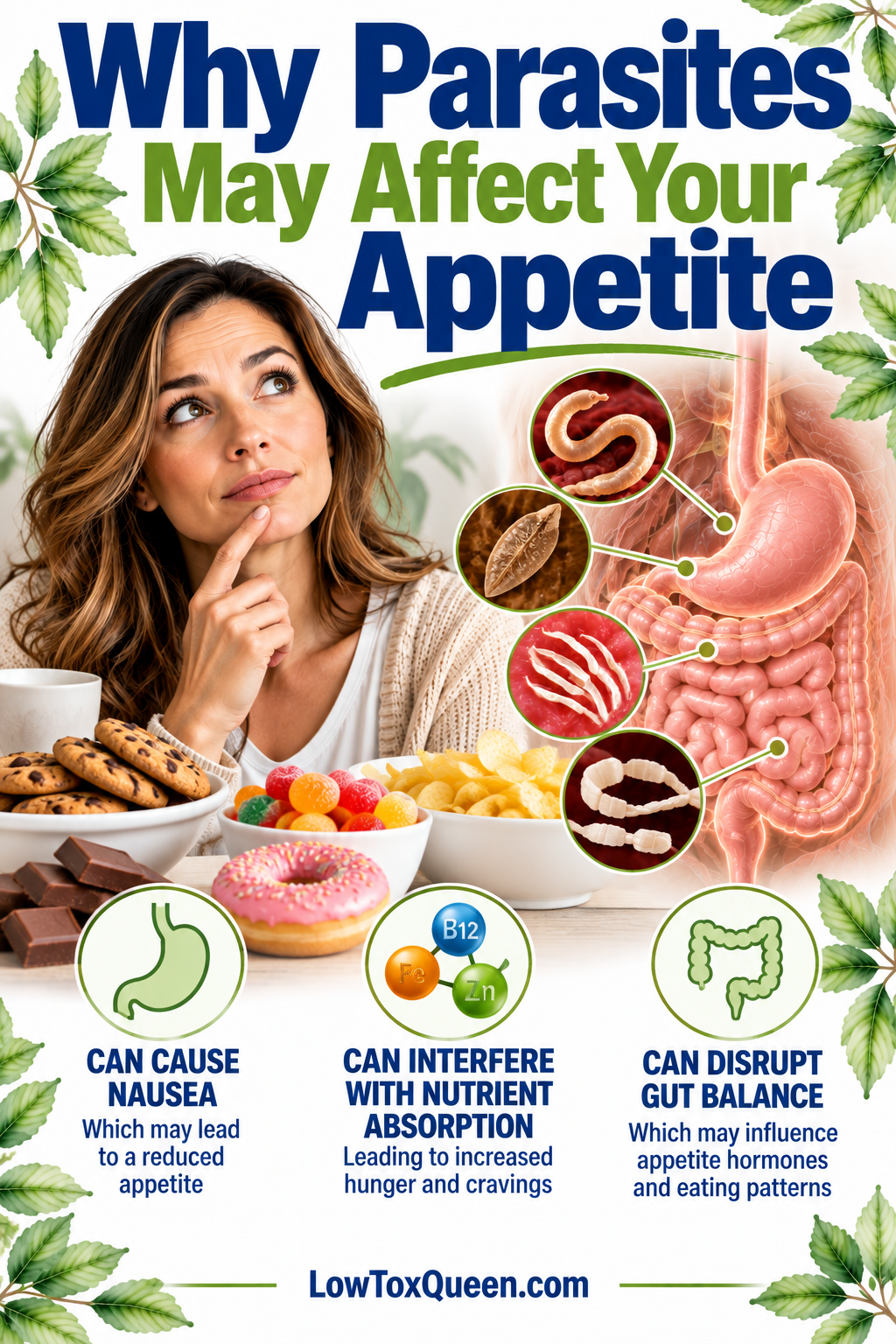
Certain intestinal parasites can influence appetite in different ways.
For example, Giardia infections may cause nausea, bloating, diarrhea, and reduced appetite.
Some intestinal worm infections can contribute to abdominal discomfort or changes in nutritional status.
Depending on the infection, a person might experience:
- Increased or decreased appetite
- Feeling full quickly
- Unexplained weight loss
- Abdominal bloating or discomfort
- Changes in bowel movements
Not everyone experiences these symptoms. Some parasitic infections produce very few noticeable signs.
Persistent appetite changes accompanied by diarrhea, weight loss, or abdominal pain deserve proper investigation.
Parasites and Nutrient Deficiencies
This is one of the most important connections between parasites and overall health.
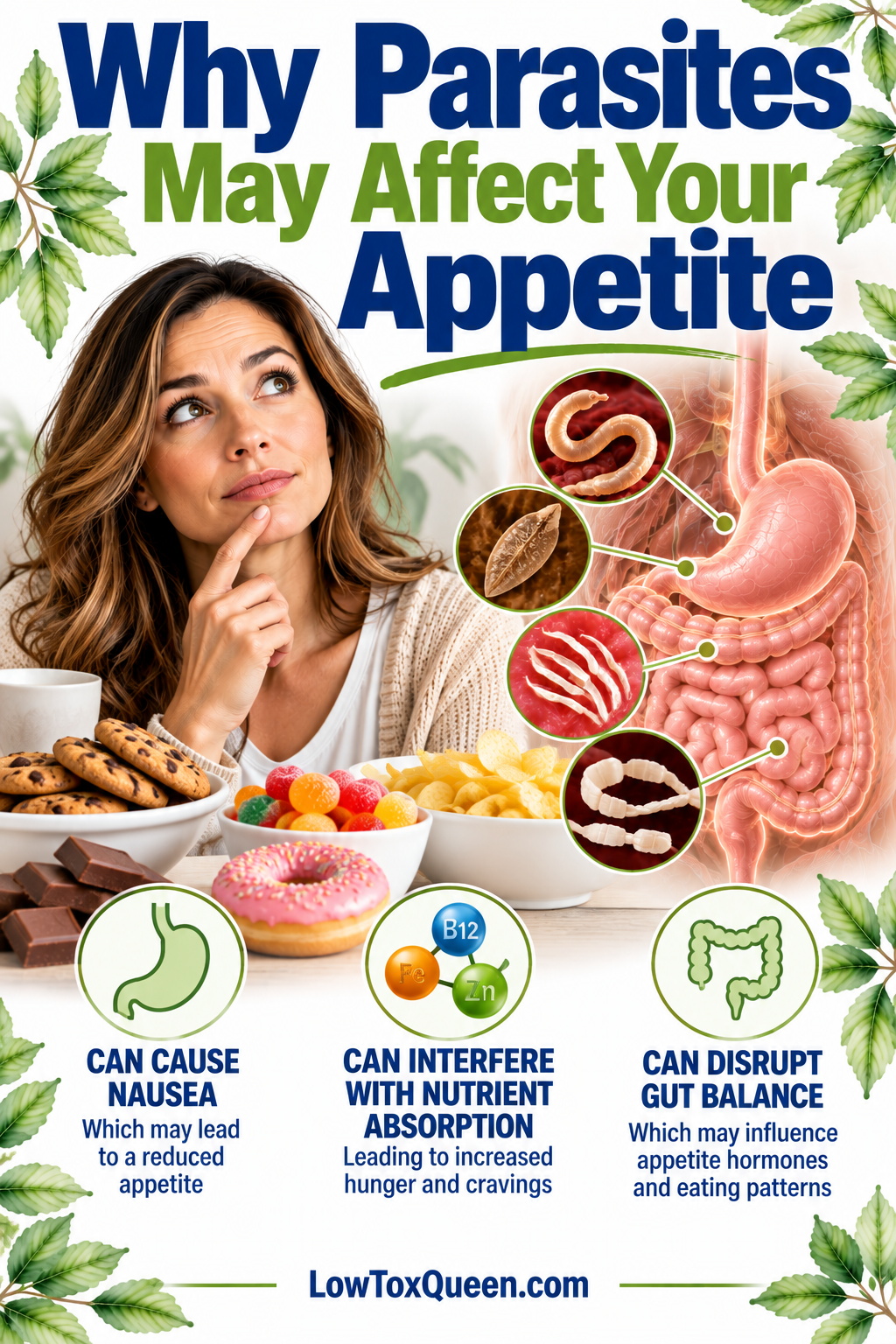
Certain parasites interfere with the body's ability to absorb nutrients, while others cause blood loss or damage intestinal tissues.
Hookworms, for example, attach to the intestinal lining and feed on blood. Significant infections can contribute to iron-deficiency anemia.
Giardia can interfere with nutrient absorption, particularly when infections become prolonged.
Roundworms may contribute to nutritional problems in heavily infected individuals.
Nutritional deficiencies can affect energy, concentration, physical performance, and general well-being.
While some deficiencies or inadequate food intake can influence appetite, there is no established pattern of cravings that reliably identifies a particular parasite.
The Gut Microbiome and Food Cravings
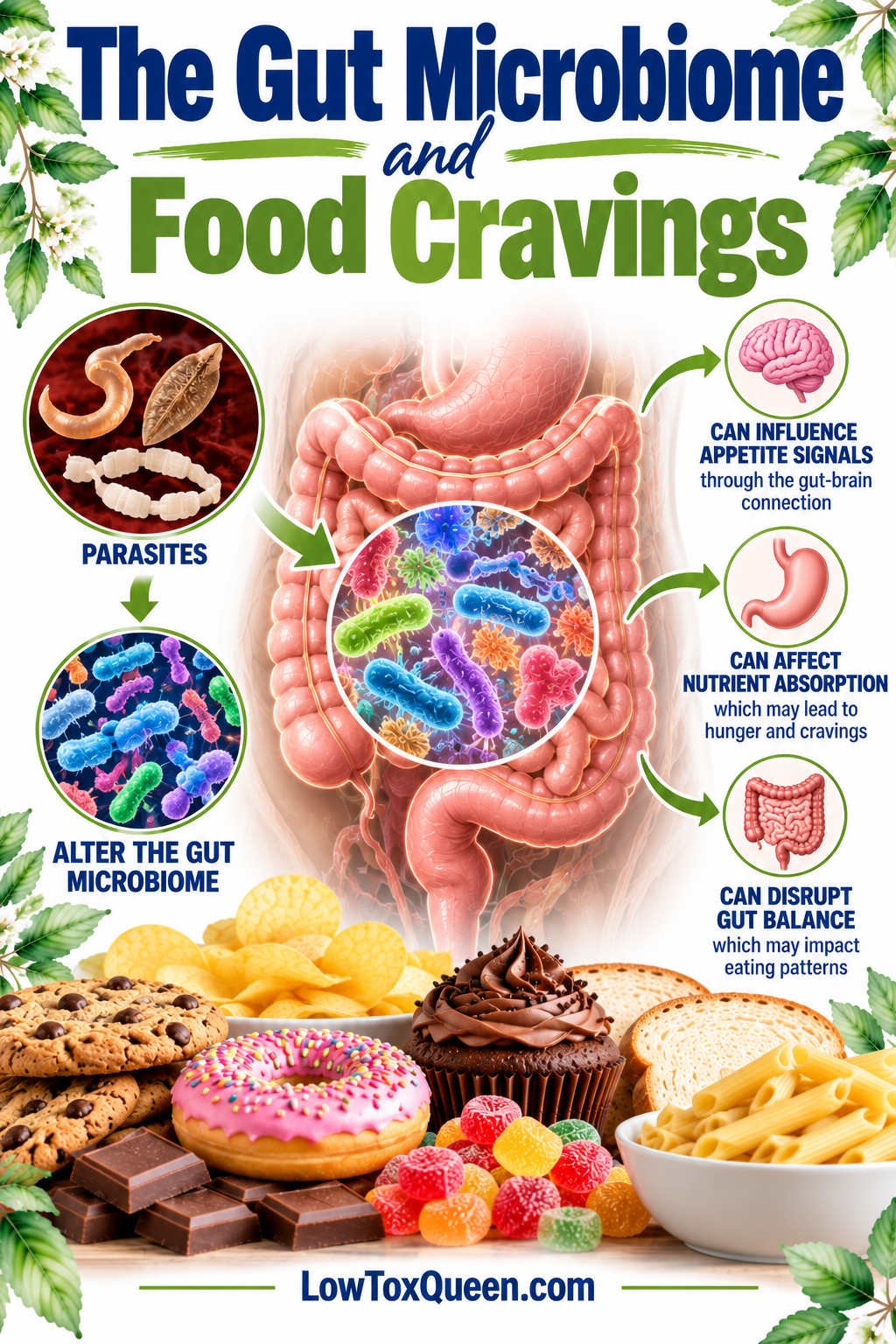
Your gut contains trillions of microorganisms that participate in digestion, metabolism, and communication with the nervous system.
Researchers are investigating how the gut microbiome and gut-brain axis influence appetite and eating behavior.
Parasitic infections can alter the intestinal environment and interact with existing microbial communities.
However, research has not established that parasite-related microbiome changes directly cause specific cravings for sugar or carbohydrates.
Supporting digestive health remains worthwhile regardless of whether parasites are involved.
I focus on eating nutrient-dense foods, getting enough protein, drinking filtered water, and maintaining regular bowel movements.
These habits help support normal digestive function and overall nutritional health.
Parasites, Heavy Metals, and Biofilm
Parasites are also connected to two subjects I frequently discuss: heavy metals and biofilm.
Scientific studies have shown that certain parasites can accumulate heavy metals in their tissues. Researchers have even studied some parasite species as indicators of environmental contamination.
Biofilm is another interesting connection. These protective microbial communities can interact with certain parasites and influence their ability to persist in particular environments. (See my interview on biofilms with Dr. Steven Zodkoy.)
Neither finding establishes that heavy metals or biofilm cause sugar cravings, but both are worth understanding as part of the bigger picture of parasite biology.
My Approach to Parasite Cleansing
I personally incorporate a parasite cleanse a couple times a year.
The concentrated herbal blend I use contains clove, black walnut hull, wormwood, ginger extract, and barberry root.
I also use zeolite as a binder during my detox routine and incorporate serrapeptase and nattokinase into my broader biofilm-focused practices.
Alongside those practices, I prioritize filtered water, regular bowel movements, movement, and adequate nutrition.
If you'd like to learn more about the heavy metal detox protocol I personally follow, including the products I use to support detoxification and mineral replenishment, visit LowToxQueen.com for my free guide.
Frequently Asked Questions
Do Parasites Make You Crave Sugar?
There is no reliable clinical evidence that sugar cravings alone indicate a parasitic infection. Parasites can affect digestion and nutritional status, but many other factors influence cravings.
Can Parasites Make You Feel Hungry All the Time?
Some infections may alter appetite or nutrient absorption. However, constant hunger is not a reliable sign of parasites and can have several other explanations.
Can Parasites Cause Nutritional Deficiencies?
Yes. Hookworms can contribute to iron-deficiency anemia, while Giardia may interfere with nutrient absorption. The effects depend on the parasite and severity of infection.
What Other Symptoms Should You Look For?
Persistent diarrhea, bloating, abdominal pain, unexplained weight loss, nausea, or nighttime teeth clenching or anal itching may warrant parasite testing, particularly when relevant exposure risks are present.
Will a Parasite Cleanse Stop Sugar Cravings?
There is no good clinical evidence that herbal parasite cleanses reliably reduce sugar cravings. Persistent cravings deserve evaluation for dietary, metabolic, and other possible causes.
Final Thoughts
So, what do you crave when you have a parasite?
Sugar, carbohydrates, and frequent hunger are commonly discussed, but no particular food craving reliably identifies a parasitic infection.
What matters is understanding how parasites can affect digestion, appetite, and nutrient absorption while paying attention to other symptoms and potential exposures.
If an infection is suspected, identifying the specific parasite through appropriate testing may be warranted because treatment varies by organism.
For me, parasite education is part of a broader commitment to gut health, environmental awareness, and low-tox living.
Disclaimer
This article is for educational purposes only and is not medical advice. Food cravings alone cannot diagnose parasites. Herbal products and supplements may cause side effects or interact with medications. Suspected parasitic infections can require appropriate medical testing and treatment. Consult a qualified healthcare professional before beginning supplements, particularly during pregnancy, breastfeeding, childhood, or when managing a medical condition.
Affiliate Disclosure
Some of the links on this website are affiliate links, which means I may earn a small commission if you choose to make a purchase through them, at no additional cost to you. I only recommend products and resources that I personally use, trust, or believe may be beneficial to my readers. Your support helps me continue creating free educational content. Thank you!