What Kills Off Parasites in Your Body? Herbs, Biofilm, Binders, and a Whole-Body Approach
What kills off parasites in your body? Explore clove, black walnut hull, wormwood, ginger, and barberry root, plus the role of biofilm, binders, and detox pathways. Learn how I combine these strategies as part of my whole-body approach to parasite cleansing and deworming.
If you’ve been researching parasite cleansing, you’ve probably wondered: what kills off parasites in your body?
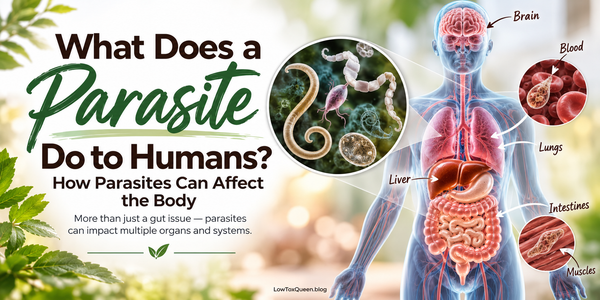
There isn’t one ingredient that targets every parasite or every stage of its life cycle. Parasites include microscopic protozoa as well as intestinal worms, flukes, and tapeworms. They can also have different life stages, including eggs, larvae, cysts, and adults.
This is one reason traditional parasite-cleansing protocols often combine several herbs instead of relying on a single ingredient.
Research has identified numerous natural compounds with anti-parasitic activity, although the evidence ranges from laboratory and animal studies to limited human research.
Table of Contents
What Kills Off Parasites in Your Body?
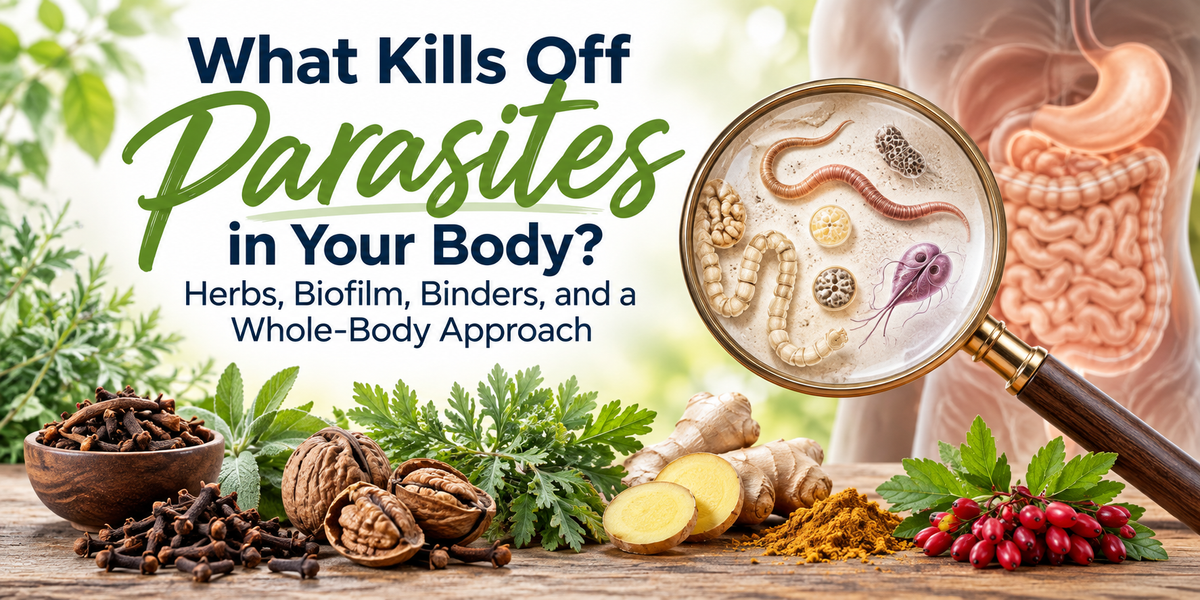
Different anti-parasitic compounds can affect different organisms and stages of their life cycles. That’s why I prefer a multi-herb approach.
The concentrated herbal blend I use contains three well-known traditional deworming herbs: Clove + black walnut hull + wormwood
It also contains ginger extract and barberry root.
Rather than thinking about parasite cleansing as simply taking something that “kills worms,” I look at the bigger picture: targeting unwanted organisms, addressing biofilm, keeping elimination moving, and using a binder as part of my routine.
Clove and Parasite Eggs
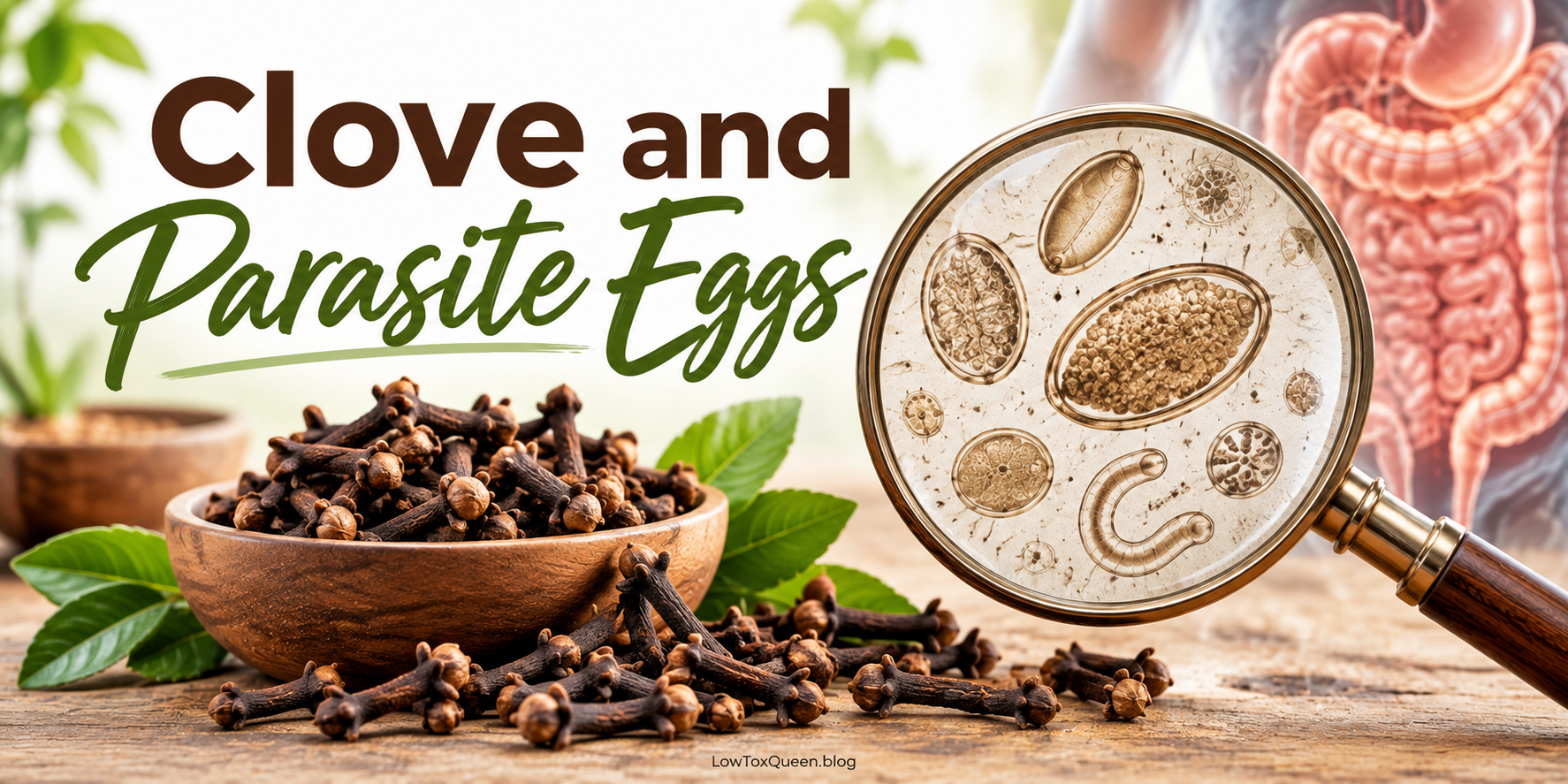
Clove is one of the best-known herbs used in traditional parasite protocols. One of its major active compounds is eugenol, which has been studied for antimicrobial and anti-parasitic activity.
Laboratory research has found eugenol can demonstrate ovicidal and larvicidal activity against certain parasitic worms, meaning it may affect both eggs and larvae.
Research has also investigated eugenol against other parasites and life stages.
This is one reason clove is included in the concentrated herbal blend I use. Rather than concentrating only on adult parasites, I prefer an approach that considers the parasite life cycle.
Black Walnut Hull and Wormwood
Black walnut hull and wormwood also have a long history of traditional use in parasite-cleansing preparations and are frequently combined with clove.
Wormwood contains numerous biologically active plant compounds and has been investigated for anti-parasitic properties. Black walnut hull contains plant compounds including juglone and tannins and has traditionally been used in herbal deworming preparations.
I use a concentrated herbal blend that combines clove, black walnut hull, and wormwood, rather than relying on one herb alone.
These are also potent herbs. Taking more doesn’t necessarily mean getting better results, especially when using concentrated herbal extracts.
Ginger and Barberry Root
The parasite blend I use also contains ginger extract and barberry root.
Ginger is particularly interesting because researchers have investigated it against Toxoplasma gondii, a protozoan parasite capable of forming tissue cysts.
In animal research involving chronic toxoplasmosis, ginger extract significantly reduced the number of T. gondii cysts found in the brain. Other animal research has found reductions in parasite burden with ginger extract.
These findings don’t establish that taking ginger cures toxoplasmosis in humans, but they help explain why ginger is an interesting ingredient in parasite research.
Barberry root contains naturally occurring compounds including berberine. Berberine has also been investigated for antimicrobial and antiprotozoal activity, including laboratory research involving Giardia lamblia and Entamoeba histolytica.
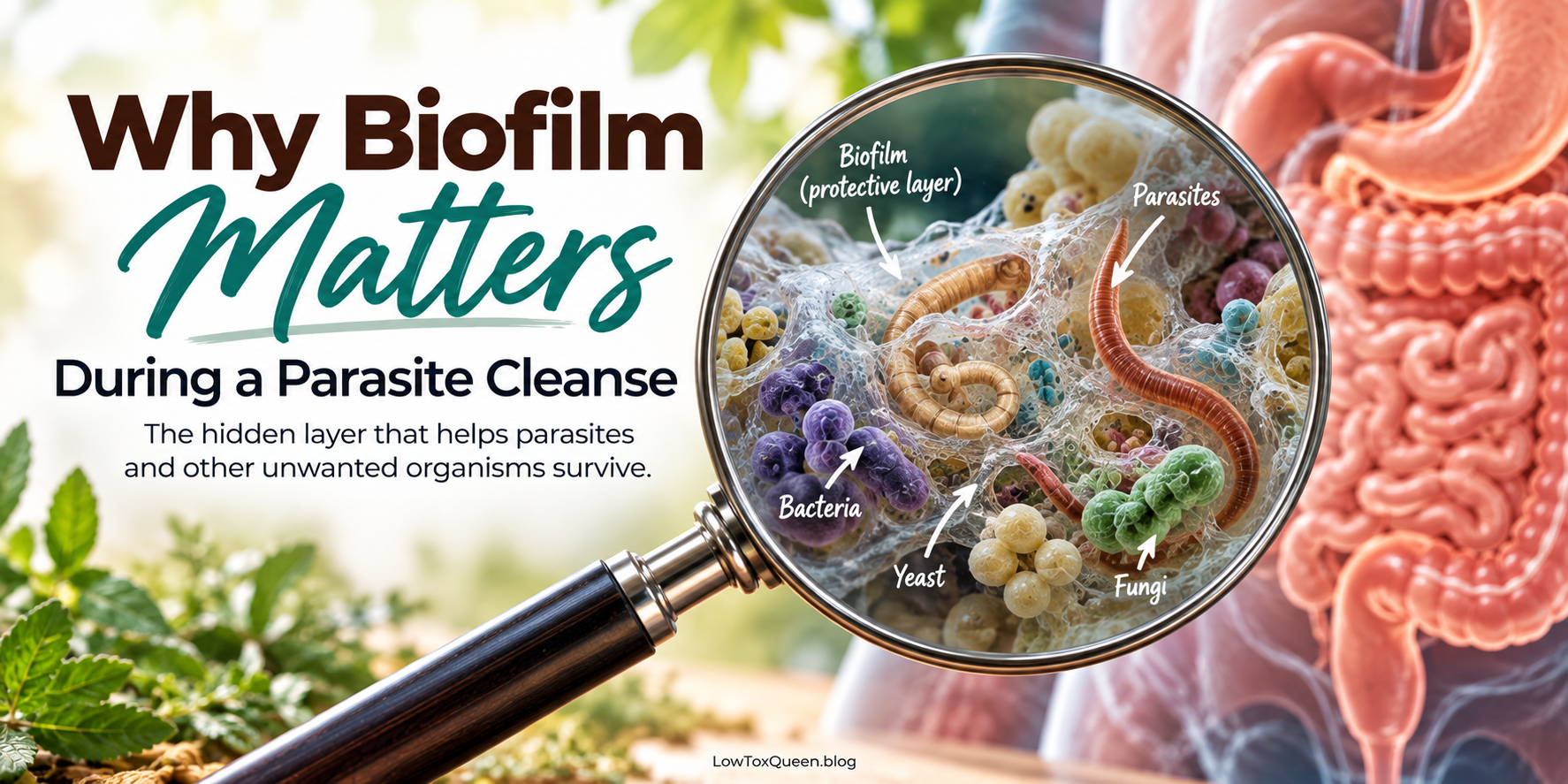
Why Biofilm Matters During a Parasite Cleanse
Biofilm is another important piece of my approach.
Biofilms are organized communities of microorganisms surrounded by a protective extracellular matrix. This matrix can help microorganisms adhere to surfaces and persist within an environment.
Scientific research has also demonstrated interactions between certain parasites and microbial biofilms.
I address biofilm as part of my broader cleansing routine rather than focusing exclusively on anti-parasitic herbs. I personally use the proteolytic enzymes serrapeptase and nattokinase as part of my biofilm protocol.
Serrapeptase has demonstrated biofilm-disrupting activity in laboratory research involving bacterial biofilms. Research in this area is continuing to develop, particularly around persistent microbial communities and their protective environments.
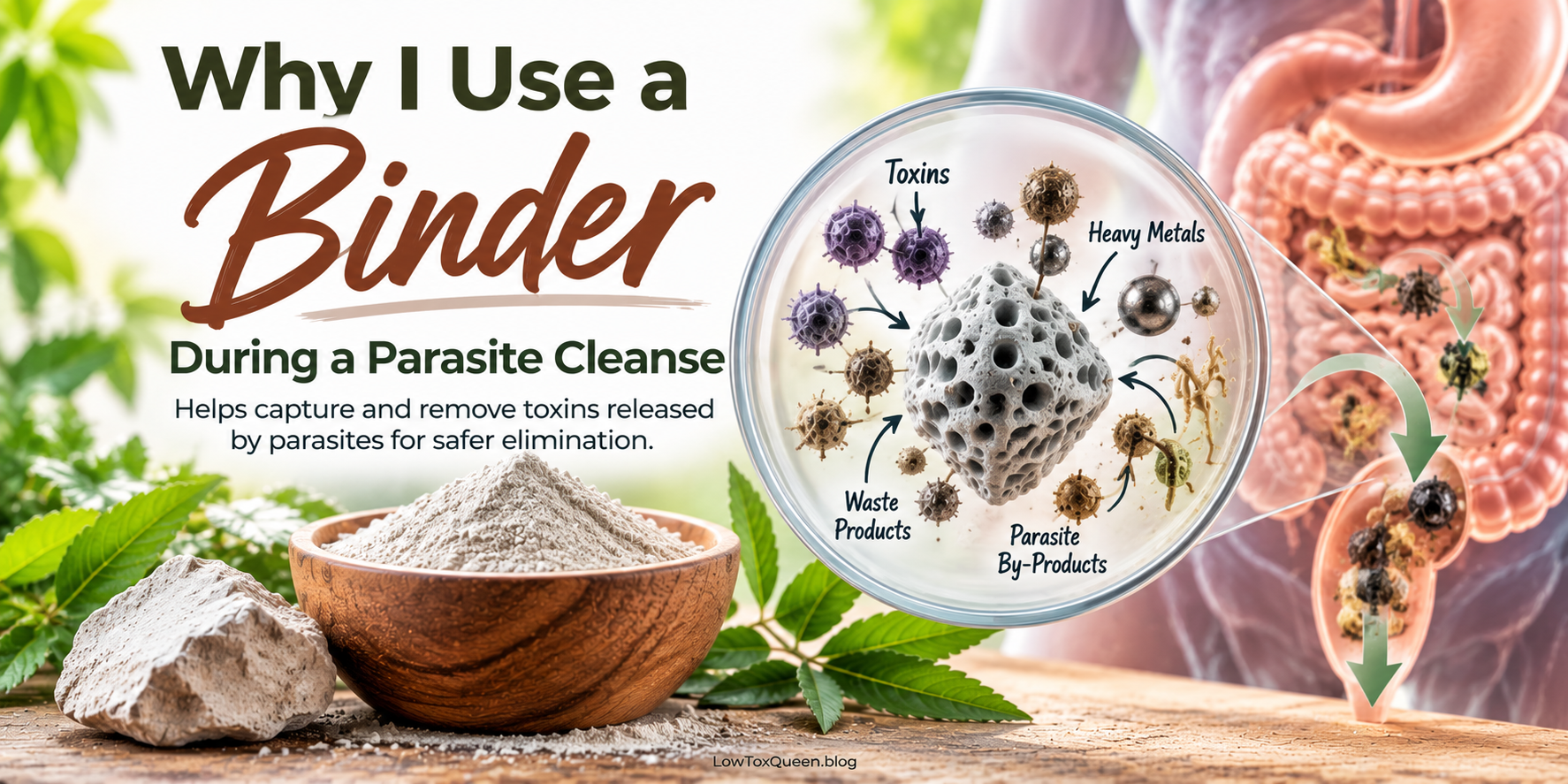
Why I Use a Binder During a Parasite Cleanse
My routine doesn’t stop with the herbs. I also use zeolite as a binder while detoxing and deworming.
Zeolites have adsorptive properties, meaning substances can adhere to their surfaces. This is why zeolite is used as a binder in many detox protocols.
The herbs and binder serve different purposes in my routine. The concentrated herbal blend is the antiparasitic component, while zeolite serves as my binder.
I also make sure I’m keeping my bowels moving regularly throughout the process.
Supporting Detox Pathways While Deworming
I don’t believe in starting a parasite cleanse while ignoring the body’s natural elimination processes.
Before and throughout my cleanse, I focus on practices that help support normal detox pathways:
- Drinking plenty of filtered water
- Maintaining regular bowel movements
- Walking and regular movement
- Supporting lymphatic drainage and lymphatic massage
- Sauna and sweating when appropriate
- Detox baths
- Getting adequate sleep
Bowel regularity is especially important to me during a cleanse. If you’re taking a concentrated herbal protocol while constipated, you’re not creating ideal conditions for efficient elimination.
Frequently Asked Questions
What Herbs Kill Parasites Naturally?
Clove, wormwood, and black walnut hull are among the most commonly used herbs in traditional parasite-cleansing protocols. Natural compounds found in clove have demonstrated antiparasitic activity in research, while ginger and berberine-containing plants have also been investigated against specific parasites.
Does Clove Kill Parasite Eggs?
Eugenol, a major compound in clove, has demonstrated ovicidal activity against certain parasitic worms in laboratory research, meaning it can affect their eggs. This does not establish that clove kills every type of parasite egg inside the human body.
Why Use Several Herbs During a Parasite Cleanse?
Different parasites and different life stages may respond differently to various compounds. I use a concentrated blend containing clove, black walnut hull, wormwood, ginger extract, and barberry root rather than depending on one herb.
Why Use a Binder During a Parasite Cleanse?
I personally use zeolite as a binder during my parasite cleanse. I view the herbs and binder as having separate jobs within my routine rather than treating zeolite as an antiparasitic herb.
How Often Should You Do a Parasite Cleanse?
My personal preventive wellness routine includes deworming approximately twice per year. I prefer being proactive rather than waiting until I have obvious symptoms. What is appropriate for someone else can depend on their health, medications, age, exposures, and other individual factors.
Final Thoughts
So, what kills off parasites in your body?
There isn’t one magic herb that addresses every parasite. My personal approach combines a concentrated herbal blend containing clove, black walnut hull, wormwood, ginger extract, and barberry root with attention to biofilm, a zeolite binder, and healthy elimination.
Research continues to investigate the antiparasitic properties of natural compounds, including eugenol from clove, ginger extracts, and berberine.
For me, parasite cleansing is a whole-body process: address unwanted organisms, pay attention to biofilm, bind, and keep the body’s detox pathways moving.
If you're interested in learning more about detoxing from heavy metals and the simple deworming protocol I personally follow, visit LowToxQueen.com for my free step-by-step guide.
Disclaimer
This article is for educational purposes only and includes my personal wellness practices. It is not medical advice and is not intended to diagnose, treat, cure, or prevent a parasitic infection or any disease. Laboratory and animal findings do not automatically establish effectiveness in humans. Herbs and supplements can cause side effects and interact with medications. Consult a qualified healthcare professional for persistent or serious symptoms and before beginning herbs or supplements, particularly during pregnancy, breastfeeding, childhood, or when managing a medical condition.
Affiliate Disclosure
Some of the links on this website are affiliate links, which means I may earn a small commission if you choose to make a purchase through them, at no additional cost to you. I only recommend products and resources that I personally use, trust, or believe may be beneficial to my readers. Your support helps me continue creating free educational content. Thank you!