How to Detox Heavy Metals from the Brain: Supporting Cognitive Health Naturally
Wondering how to detox heavy metals from the brain? Learn how reducing toxin exposure, supporting detox pathways, nourishing your brain, using zeolite, replenishing minerals, and staying hydrated may help support cognitive health and your body's natural detoxification process.
Heavy metals are an unavoidable part of modern life. From the air we breathe and the water we drink to the products we use every day, we're exposed to environmental toxins more often than many people realize. Because some heavy metals can affect the nervous system, many people wonder how to detox heavy metals from the brain and support long-term cognitive health.
The good news is that your brain isn't isolated from your body's natural detoxification systems. Supporting your liver, kidneys, digestive system, lymphatic system, and overall health creates the foundation for helping your body process and eliminate unwanted toxins.
In this guide, you'll learn how to support your body's natural detoxification pathways, reduce ongoing exposure, and nourish your brain through a practical, whole-body approach.
Table of Contents
Who Is This Article For?
This article is for anyone interested in protecting their cognitive health and reducing their overall toxic burden. If you've been researching heavy metals because of concerns about brain fog, memory, focus, or long-term brain wellness, this guide offers practical lifestyle strategies that support your body's natural detoxification systems. It is also helpful for individuals who simply want to live a lower-tox lifestyle and minimize everyday exposure to environmental toxins.
Can Heavy Metals Affect the Brain?
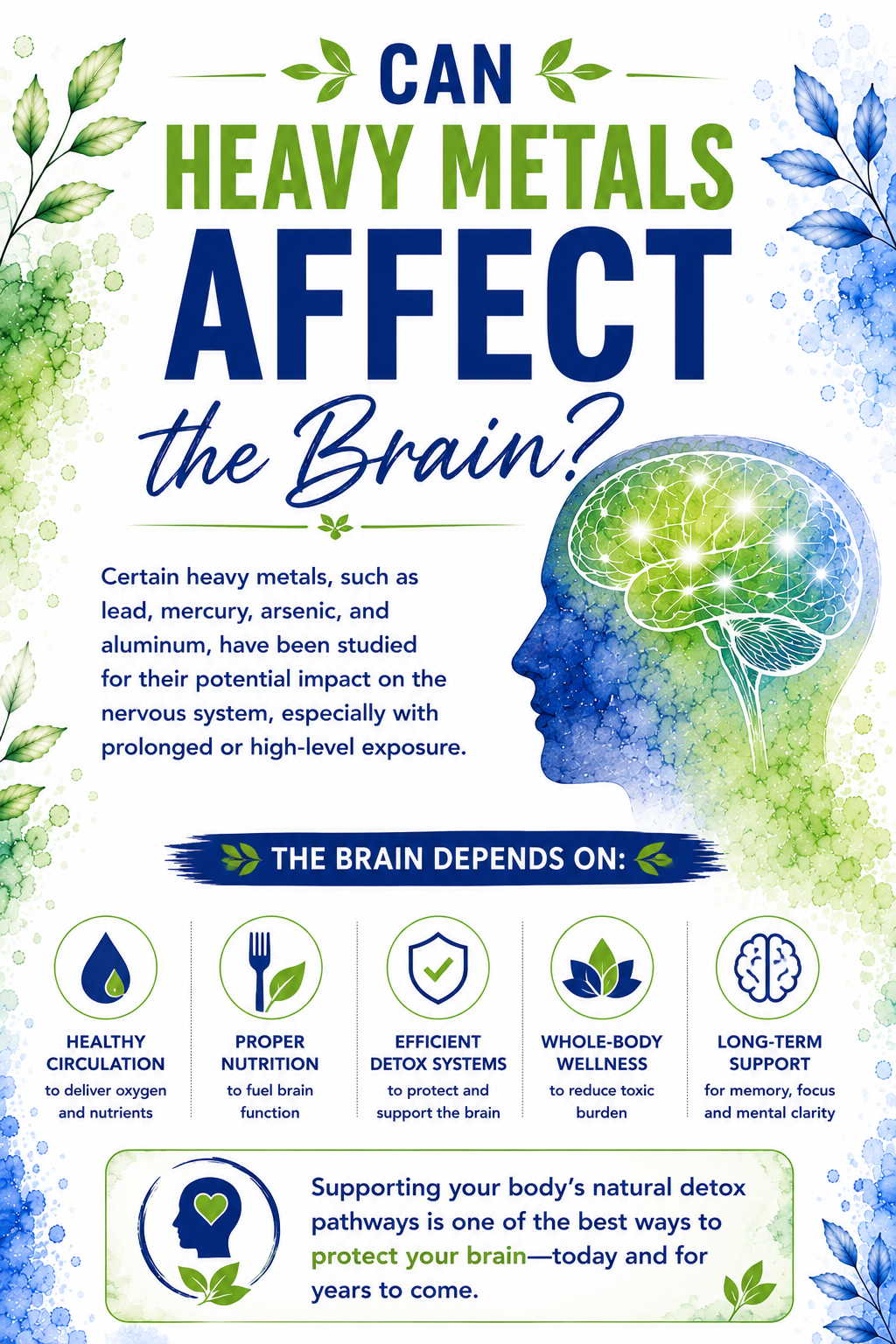
Certain heavy metals, including lead, mercury, arsenic, and aluminum, have been studied for their potential effects on the nervous system, particularly with significant or prolonged exposure.
The brain depends on healthy circulation, proper nutrition, and efficient detoxification systems throughout the body. Rather than focusing on the brain alone, supporting whole-body detoxification may help your body process and eliminate unwanted substances more effectively.
Because the liver, kidneys, digestive system, lymphatic system, and skin all play important roles in detoxification, maintaining their health is an essential part of any heavy metal detox strategy.
Symptoms of Heavy Metals in the Brain
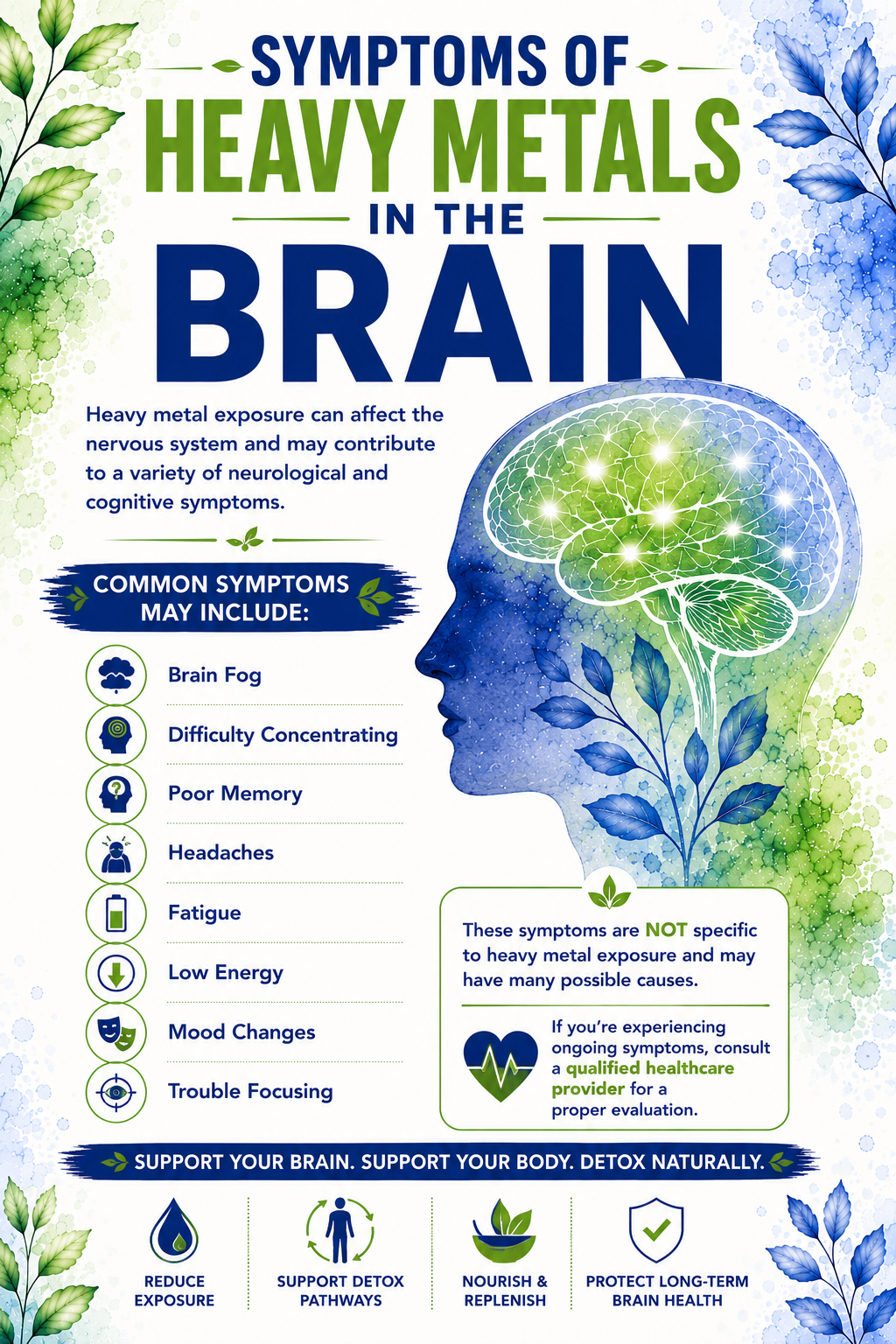
Because heavy metal exposure can affect multiple body systems, symptoms often vary from person to person. While no symptom is unique to heavy metals, some people begin researching heavy metals after experiencing persistent neurological or cognitive concerns. These symptoms can have many possible causes, so it's important to work with a qualified healthcare provider if you have ongoing health concerns.
Possible symptoms include:
- Brain fog
- Difficulty concentrating
- Poor memory
- Headaches
- Fatigue
- Low energy
- Mood changes
- Trouble focusing
These symptoms are not specific to heavy metal exposure and may have many possible causes. If you're experiencing persistent symptoms, consult a qualified healthcare provider for a proper evaluation.
How to Support Brain Detox Naturally
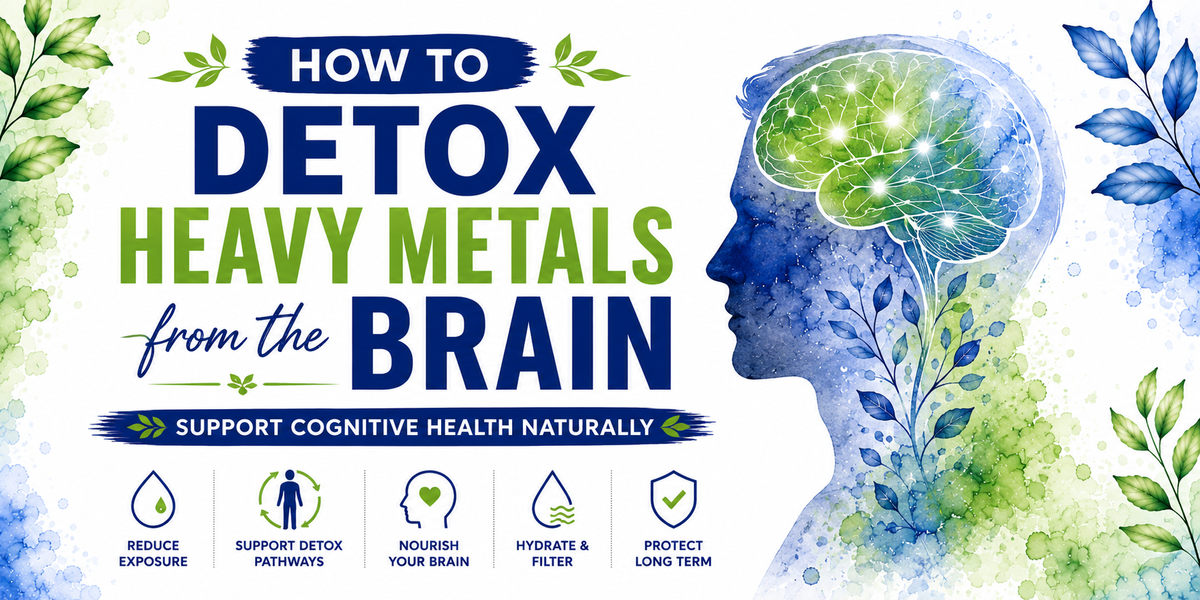
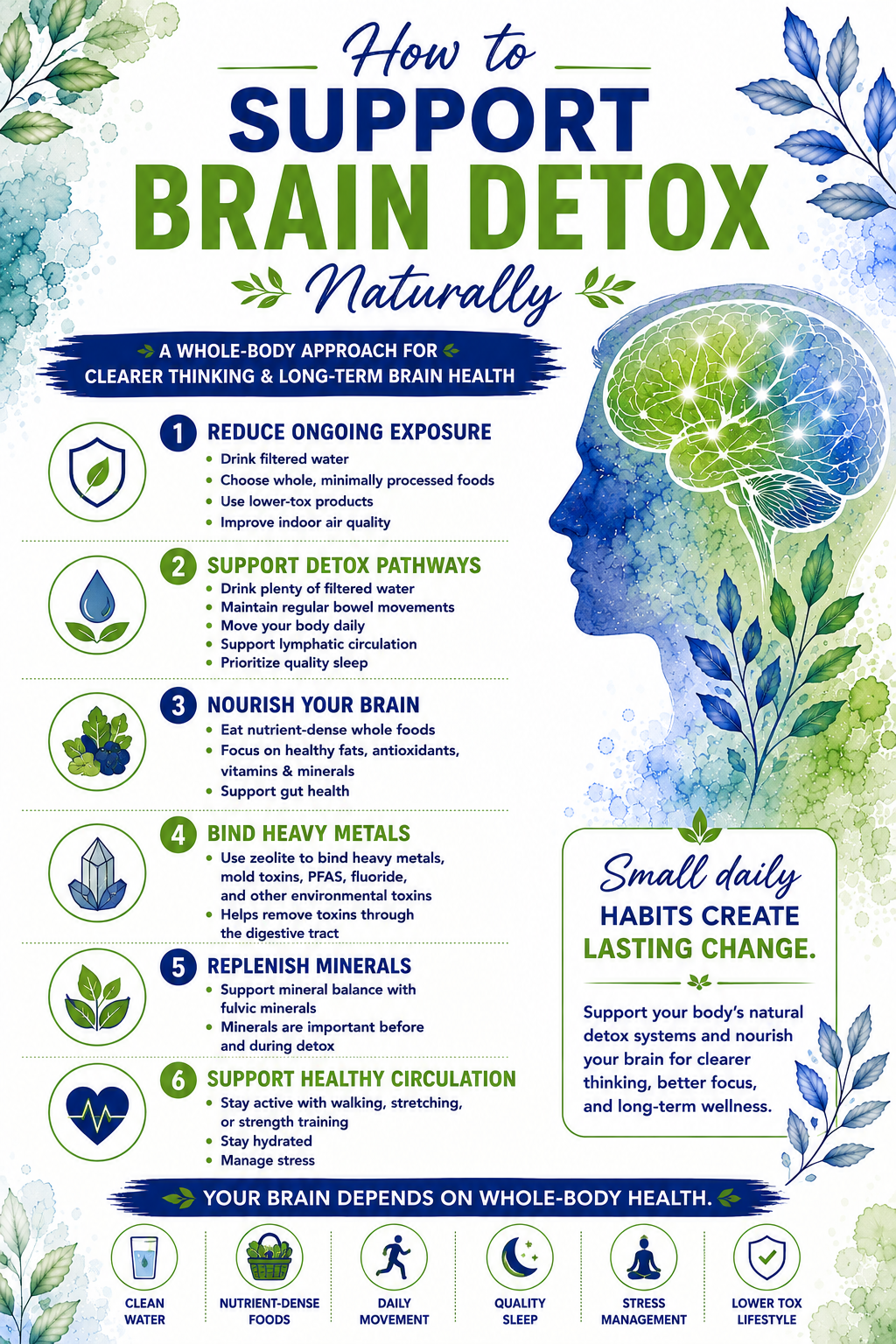
Step 1: Reduce Ongoing Exposure
The first step is minimizing new exposure whenever possible.
Consider:
- Drinking filtered water
- Choosing whole, minimally processed foods
- Using lower-tox household products
- Reducing unnecessary chemical exposure
- Improving indoor air quality
Reducing incoming toxins helps decrease the workload placed on your body's detoxification systems.
Step 2: Support Detox Pathways
Before beginning any detox protocol, it's important to support the body's natural elimination pathways.
Focus on:
- Drinking plenty of filtered water
- Maintaining regular bowel movements
- Moving your body daily
- Supporting lymphatic circulation
- Prioritizing quality sleep
These foundational habits help your body eliminate waste efficiently.
Step 3: Nourish Your Brain
Your brain requires healthy fats, antioxidants, vitamins, and minerals to function optimally.
Focus on foods such as:
- Wild-caught fish
- Leafy greens
- Berries
- Walnuts
- Avocados
- Extra virgin olive oil
- Eggs
- Colorful vegetables
These nutrient-dense foods help support overall brain health.
Step 4: Bind Heavy Metals
Many people include zeolite as part of their heavy metal detox routine.
Zeolite has been studied for its ability to bind certain heavy metals, mold toxins, PFAS, fluoride, radioactive particles, and environmental toxins so they can be carried out of the body through the digestive tract. Rather than targeting the brain specifically, it works by supporting the body's overall elimination process.
Step 5: Replenish Minerals
Minerals play an important role before and during detoxification.
Fulvic minerals provide naturally occurring trace minerals that help support normal cellular function and overall wellness. Supporting healthy mineral status may also be beneficial when reducing your overall toxic burden.
Step 6: Support Healthy Circulation
Healthy circulation helps deliver oxygen and nutrients throughout the body, including the brain.
Simple habits include:
- Walking
- Stretching
- Strength training
- Staying hydrated
- Managing stress
These practices support overall wellness and healthy blood flow.
Foods That Support Brain Health
While no single food removes heavy metals from the brain, a nutrient-dense diet supports healthy brain function and the body's natural detoxification systems.
Helpful foods include:
- Blueberries
- Broccoli
- Kale
- Garlic
- Beets
- Citrus fruits
- Pumpkin seeds
- Healthy fats
- High-quality protein
- Fiber-rich foods
Eating a variety of colorful whole foods provides antioxidants that help protect cells from oxidative stress.
Natural Detox Support
Many people combine healthy lifestyle habits with targeted nutritional support.
Commonly used products include:
- Zeolite
- Fulvic minerals
- Water ionizer
- NSF-certified water filter
- Fiber
- Garlic
- Leafy greens
- Cruciferous vegetables
- Vitamin C-rich foods
Clean water is one of the foundations of any heavy metal detox protocol. An NSF-certified water filter can help reduce contaminants commonly found in drinking water, helping you minimize ongoing exposure while supporting hydration.
Many people also choose to drink hydrogen-rich water produced by a water ionizer. Hydrogen-rich water contains dissolved molecular hydrogen (H₂), which has been studied for its antioxidant properties. Molecular hydrogen can rapidly diffuse across cell membranes and may help neutralize certain free radicals, supporting the body's defenses against oxidative stress. Because oxidative stress is a normal byproduct of metabolism and can also increase with environmental exposures, many people include hydrogen-rich water as part of their daily wellness routine alongside a nutrient-dense diet rich in antioxidants.
Rather than relying on a quick cleanse, a consistent lifestyle that includes clean water, whole foods, regular movement, quality sleep, and targeted detox support often provides the greatest long-term support for your body's natural detoxification processes.
If you'd like to learn more about the heavy metal detox protocol I personally follow, including the products I use to support detoxification and mineral replenishment, visit LowToxQueen.com for my free guide.
Frequently Asked Questions
Can you detox heavy metals from the brain?
The brain relies on the body's overall detoxification systems. Supporting healthy liver function, kidneys, digestion, hydration, and elimination helps your body process and remove unwanted substances naturally.
What is the best heavy metal detox?
A comprehensive approach includes reducing exposure, supporting detox pathways, eating a nutrient-dense diet, staying hydrated, and using targeted detox support when appropriate.
Does zeolite remove heavy metals?
Zeolite has been studied for its ability to bind certain heavy metals and environmental toxins in the digestive tract, helping support the body's natural elimination processes.
Why are minerals important during detox?
Minerals support normal cellular function and overall wellness. Many people include fulvic minerals before or during a detox to help maintain healthy mineral levels.
How long does a heavy metal detox take?
Supporting detoxification is generally viewed as a long-term lifestyle rather than a short-term event. Consistency with healthy habits is often more important than aggressive cleansing.
Final Thoughts
Learning how to detox heavy metals from the brain begins with understanding that brain health depends on whole-body health. Supporting your body's natural detoxification systems, reducing ongoing exposure, nourishing yourself with nutrient-dense foods, and using targeted support such as zeolite, fulvic minerals, hydrogen-rich water, and clean filtered water may help promote overall wellness.
Rather than searching for a quick fix, focus on building sustainable daily habits that support both your brain and your body's natural ability to maintain balance over time.
Disclaimer
This article is for educational purposes only and is not intended to diagnose, treat, cure, or prevent any disease. It should not be used as a substitute for professional medical advice, diagnosis, or treatment. Always consult a qualified healthcare provider before beginning any new wellness program, especially if you have an existing medical condition, are pregnant, or are taking prescription medications.
Affiliate Disclosure
Some of the links on this website are affiliate links, which means I may earn a small commission if you choose to make a purchase through them, at no additional cost to you. I only recommend products and resources that I personally use, trust, or believe may benefit my readers. Your support helps me continue creating free educational content. Thank you.